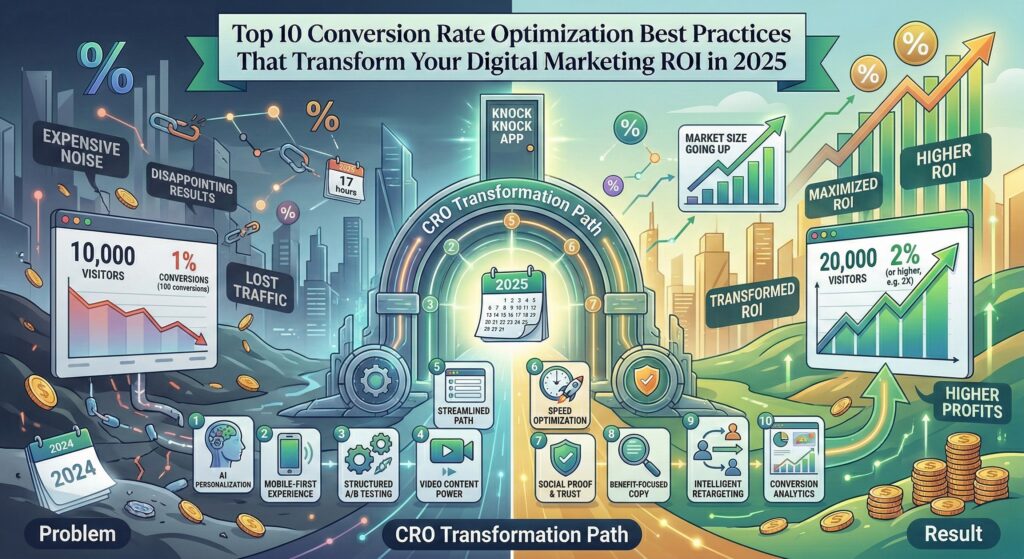
Have you ever poured money into digital marketing campaigns only to see disappointing results? You’re driving traffic to your website, but visitors just aren’t converting into customers. If this sounds familiar, you’re not alone.
Traffic without conversion is just expensive noise. That’s where conversion rate optimization (CRO) comes in, and it’s only becoming more important as advertising costs rise.
This guide walks through ten conversion rate optimization best practices that consistently show up across CRO research and practitioner guides. Actual results from any of these will vary a lot by industry, traffic source, and starting point, so treat the specific numbers you see cited anywhere (including here) as illustrative, not a guarantee for your own site.
What Is Conversion Rate Optimization?
Conversion rate optimization is the systematic process of increasing the percentage of website visitors who take a desired action, whether that’s making a purchase, signing up for a newsletter, or downloading a resource.
It’s about making the most of the traffic you already have rather than just paying for more of it. If your site gets 10,000 monthly visitors at a 1% conversion rate, that’s 100 conversions. Get that rate to 2%, and you’ve doubled results without spending an extra dollar on traffic.
10 CRO Best Practices Worth Prioritizing
1. Use Personalization Where It Actually Helps
Generic, one-size-fits-all experiences convert worse than experiences that reflect what a visitor is actually looking for. Modern CRO tools can:
- Engage visitors with AI chat agents that can qualify leads and answer questions live
- Adjust content based on behavior patterns
- Personalize product recommendations in real time
- Customize CTAs based on where a visitor is in their journey
- Tailor messaging to specific audience segments

Start small: segment your audience by something basic first (traffic source, new vs. returning visitor), then add sophistication as you gather more data. Don’t personalize everything on day one, you won’t have enough traffic per segment to know if it’s working.
2. Treat Mobile as the Primary Experience, Not an Afterthought
Mobile traffic makes up the majority of web traffic for most consumer-facing sites. Treating mobile as a secondary version of your desktop site is a common and costly mistake. Prioritize:
- CTAs that make sense in a mobile context (tap-to-call, one-field signup)
- Thumb-friendly navigation, important elements within easy reach
- Page load speed tuned specifically for mobile connections
- Short forms with large touch targets
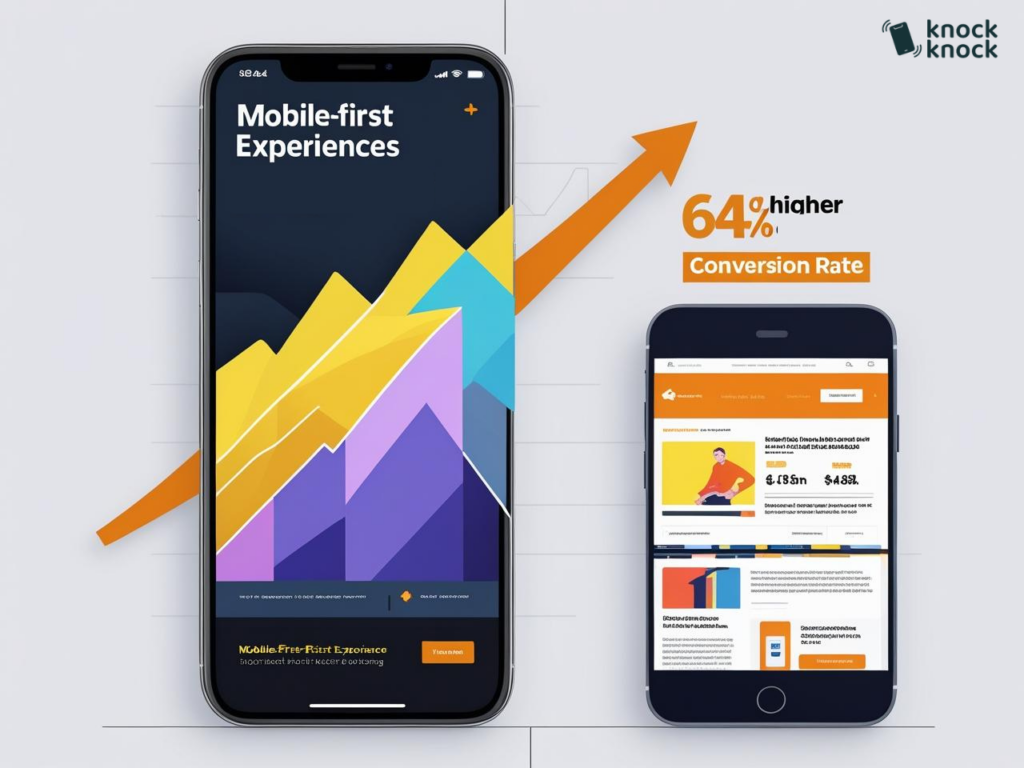
If you don’t already have mobile-specific analytics broken out from desktop, that’s a good first step before optimizing further, you need to know where the actual mobile drop-off is happening on your site.
3. Run a Structured, Ongoing A/B Testing Program
Ad hoc testing rarely produces reliable, repeatable gains. A structured program means:
- Testing high-impact areas first, your main landing pages, checkout flow, and primary CTAs, rather than low-traffic pages
- Clear hypotheses based on real user data and behavior, not guesses
- Prioritizing tests by potential impact and effort to implement
- Running tests long enough to reach statistical significance before acting on results
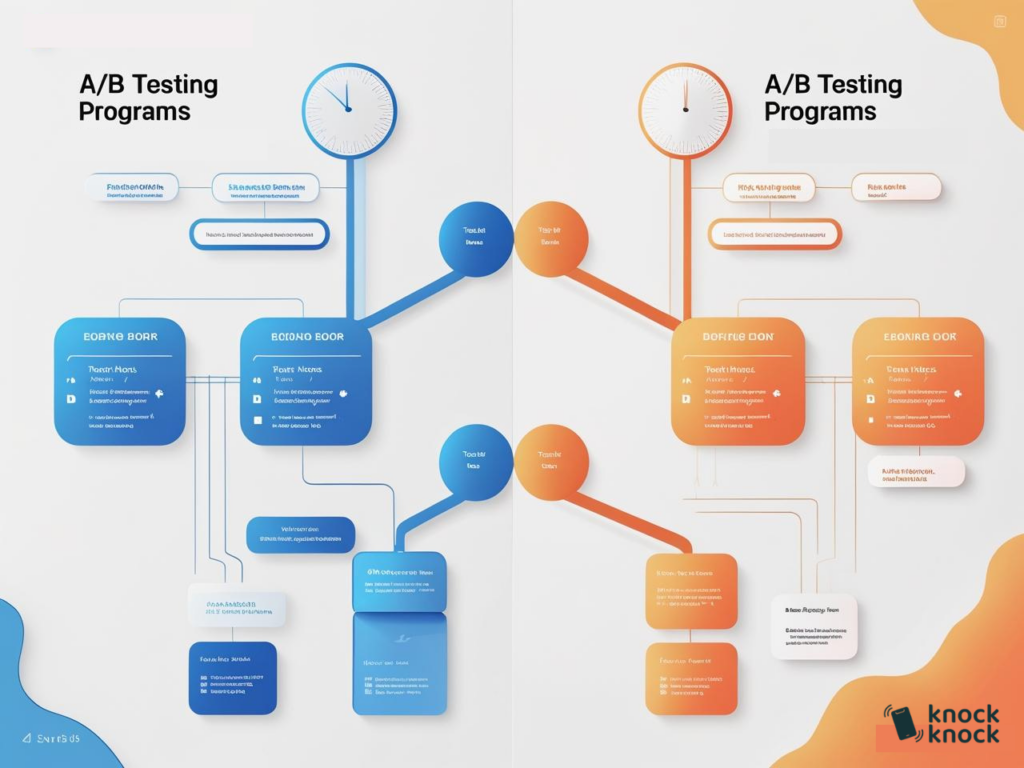
If you’re new to testing, resist the temptation to test many small things at once. A handful of well-run tests on high-traffic pages will teach you more than dozens of underpowered tests scattered across your site.
4. Use Real Trust Signals, Not Just More of Them
Online skepticism is high, and trust signals only work if they’re genuine. Effective options include:
- Transparent pricing and policies
- Real customer reviews and testimonials (ideally with permission to use names and, where possible, video)
- Actual security badges and certifications you hold
- Genuine media mentions or press coverage
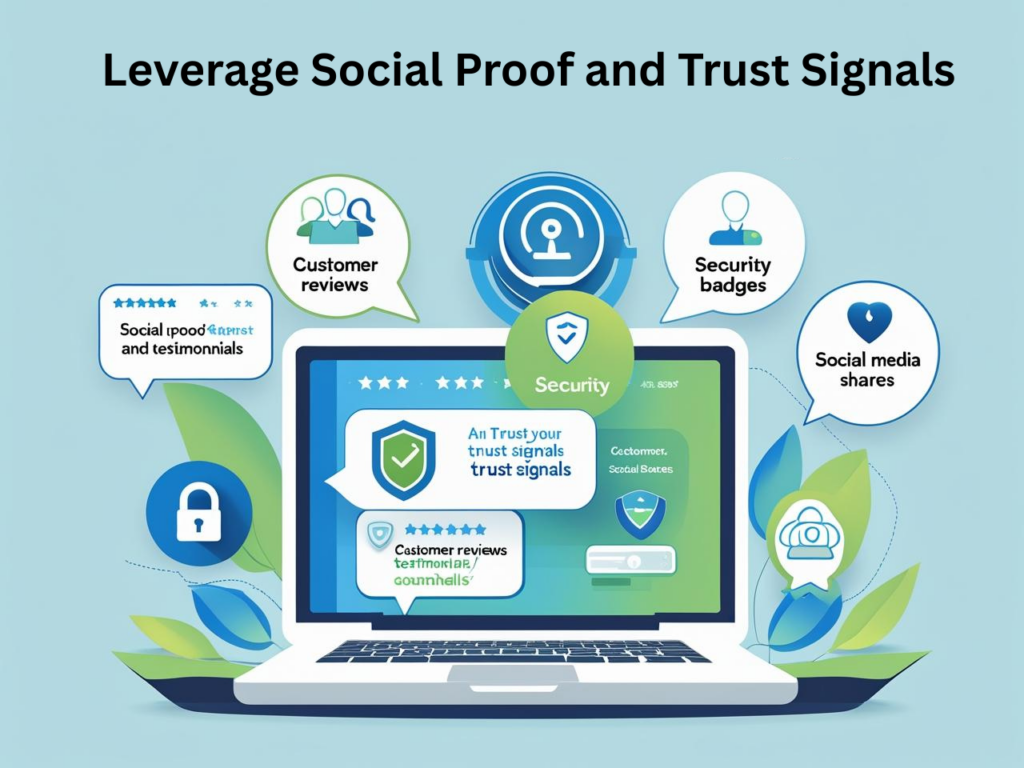
A word of caution: fake or exaggerated social proof, like anonymous “customer” quotes or invented case studies, is both a trust risk with your actual visitors and a content-quality risk with search engines, which increasingly filter for unverifiable claims. If you don’t have real testimonials yet, it’s better to lean on transparent policies and real product detail than to invent quotes.
5. Remove Friction from the Path to Conversion
Every extra step, form field, or moment of confusion in a conversion flow increases the chance of abandonment. Focus on:
- Using smart defaults to reduce the effort required from the user
- Reducing form fields to the minimum actually required
- Adding progress indicators for multi-step processes
- Removing distractions from conversion pages (extra nav, unrelated offers)
- Offering the payment or contact options your specific customers actually prefer
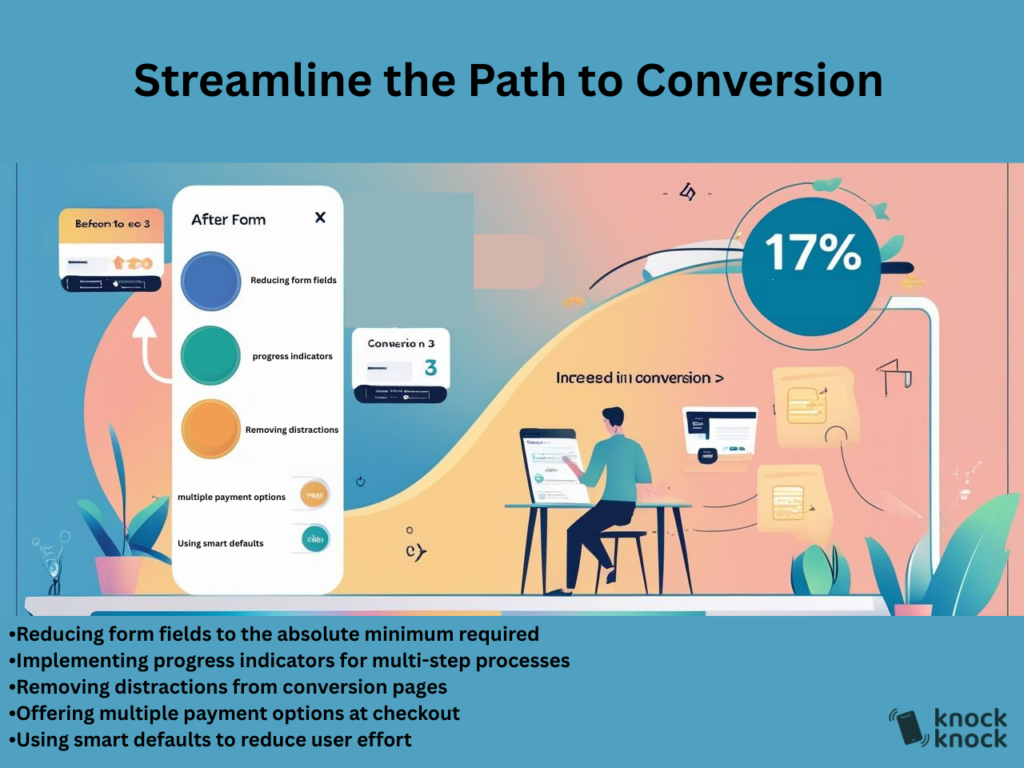
Shorter checkout and signup flows generally outperform longer ones, but the right number of steps depends on what you’re asking for and how much trust you’ve already built by that point in the journey. Test it on your own funnel rather than copying someone else’s step count.
6. Use Video Where It Clarifies, Not Just Decorates
Video can be a strong conversion driver when it answers a real question a visitor has, not just as decoration. Effective uses include:
- How-to content that addresses common objections directly
- Product demonstration videos that show real functionality
- Short explainer videos on landing pages for a product or service that’s hard to describe in text
- Genuine customer testimonial videos
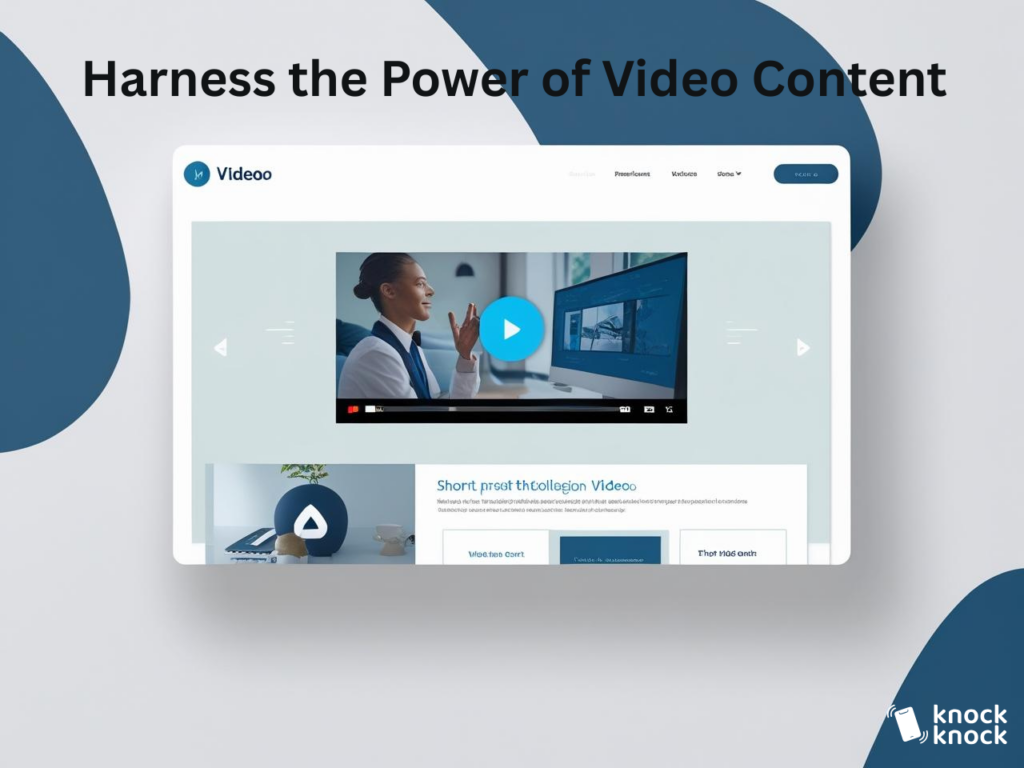
Keep videos short and specific to the page they’re on. A generic brand video on every page tends to add load time without adding conversion value.
7. Optimize Page Load Speed
Speed is both a user-experience factor and a ranking factor. Slow-loading pages lose visitors before they ever see your offer. Standard techniques include:
- Using browser caching and a CDN
- Lazy loading for images and video
- Modern image formats like WebP
- Minimizing HTTP requests
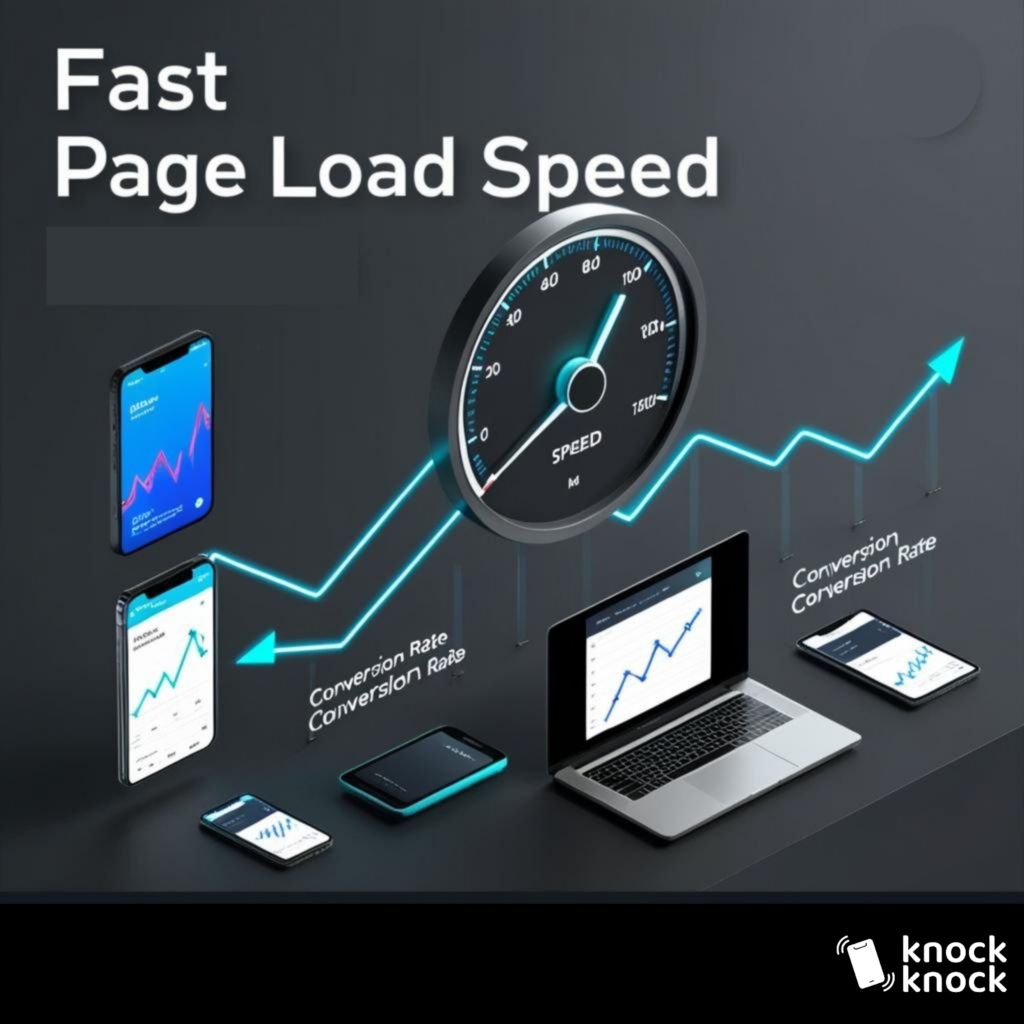
Run your key pages through a tool like PageSpeed Insights or GTmetrix and fix the specific bottlenecks it flags, generic speed advice only gets you so far without knowing what’s actually slow on your site.
8. Write Benefit-Focused, Honest Copy
How you communicate matters as much as what you’re offering. Strong conversion copy tends to:
- Create genuine urgency (real deadlines, real limited availability) rather than manufactured pressure
- Lead with the customer benefit, not the product feature list
- Use active voice and a conversational tone
- Address likely objections directly, instead of ignoring them
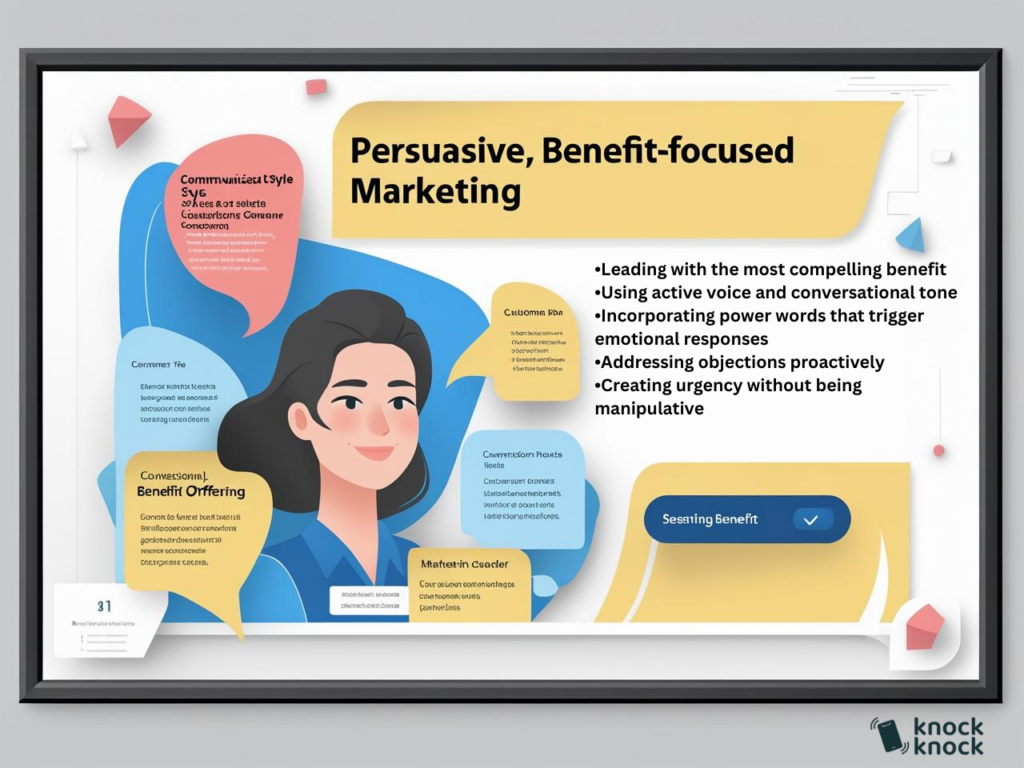
Avoid manufactured scarcity or countdown timers that reset, these are increasingly recognized by consumers as manipulative, and can create real legal exposure in some jurisdictions around deceptive marketing practices.
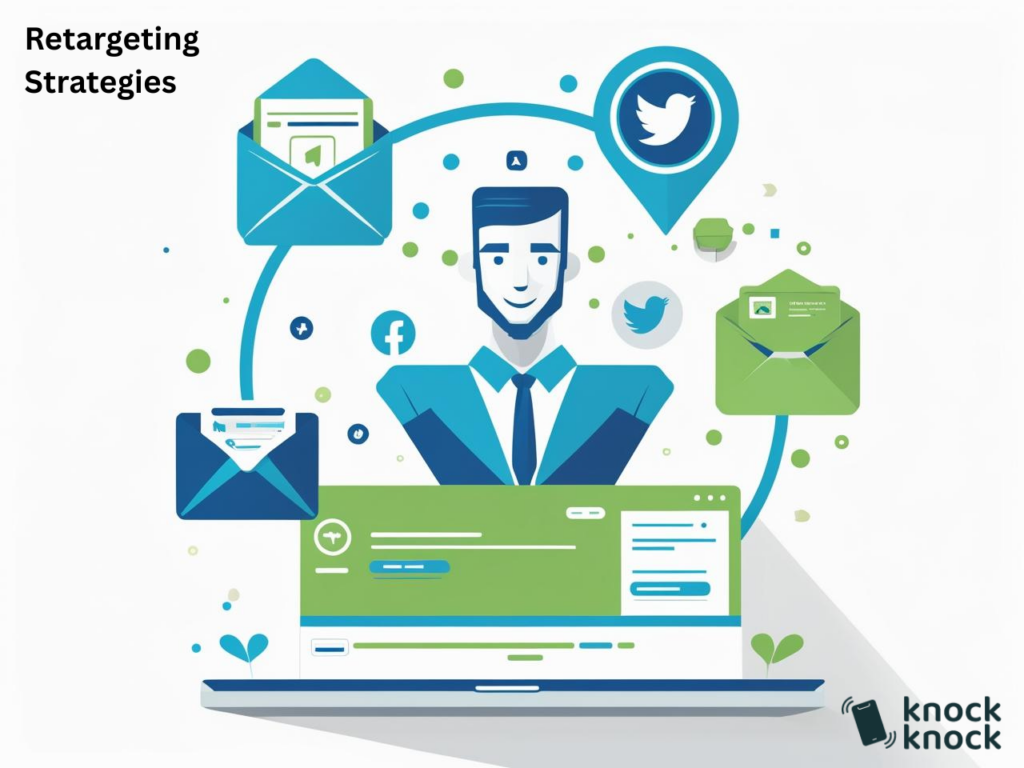
9. Build Retargeting Around Actual Behavior
Most visitors won’t convert on their first visit. Effective retargeting today tends to be behavior-based rather than blanket:
- Cart abandonment recovery, ideally with a genuine reason to come back, not just a discount every time
- Segmented retargeting based on specific actions (viewed pricing, abandoned cart, read a specific article)
- Messaging that evolves across touches instead of repeating the same ad
- Cross-channel retargeting where it makes sense for your audience
If you find yourself training visitors to wait for a discount before converting, that’s a sign your retargeting incentives need adjusting.
10. Set Up Conversion-Focused Analytics Before You Optimize Further
You can’t reliably improve what you’re not measuring properly. This means:
- Regular user testing and direct feedback, not just quantitative data
- Proper goal tracking and funnel visualization set up correctly from the start
- Heatmaps and session recordings to see where visitors actually get stuck
- Tracking micro-conversions, not just final purchases, so you can see where the funnel leaks
- Attribution modeling appropriate to your sales cycle length
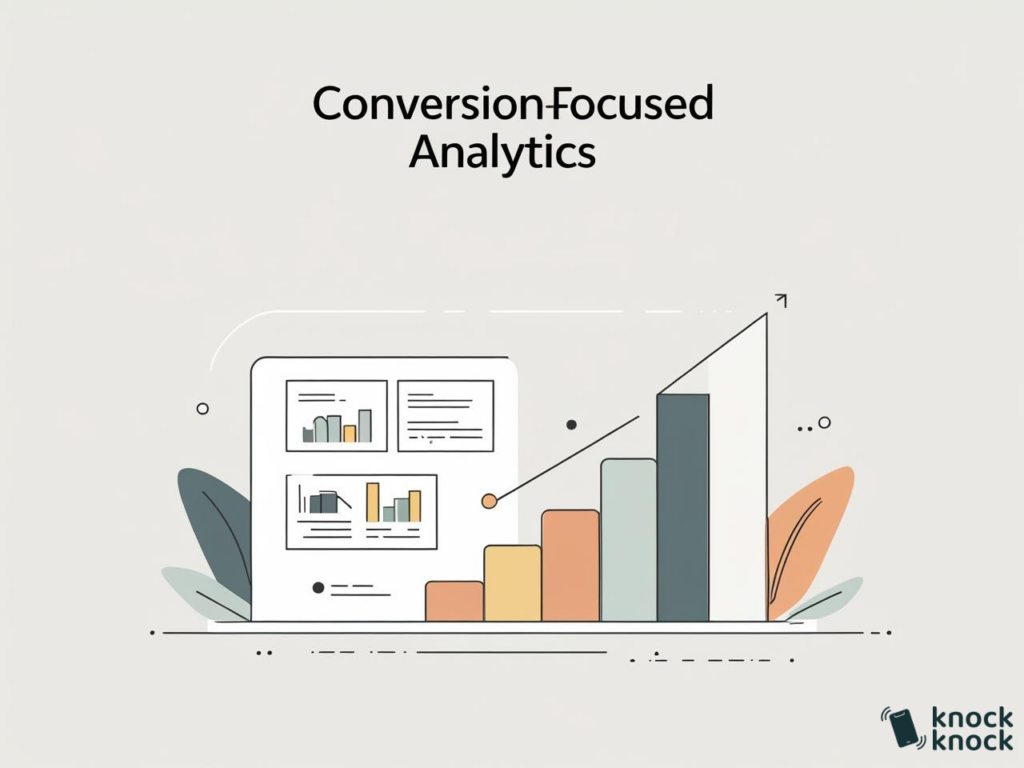
Analytics setup is unglamorous, but most of the “wins” above are guesses without it. If you’re not sure where visitors are dropping off, that’s the first thing to fix.
How Knock Knock App Fits Into a CRO Strategy
Having the right tools makes the process much more effective, and several of the practices above map directly to features we’ve built into Knock Knock, which combines AI automation with human touch:
- Real-time visitor engagement: AI chat and voice agents that analyze visitor behavior in real time to answer questions and qualify leads live, supporting the personalization and friction-reduction practices above.
- Mobile-ready widgets: designed to work across devices rather than as a desktop-only add-on.
- Built-in analytics: visitor behavior and engagement tracking without needing a separate analytics stack bolted on.
- Live video calls: for the moments where text or chat isn’t enough to close a sale or answer a complex question.
If you want to see what impact this actually has on your specific funnel, the honest answer is that it depends on your traffic, offer, and price point, so the best way to know is a trial on your own site rather than an industry-wide average. Book a demo and we can walk through what a realistic test on your traffic would look like.
The Bottom Line
Conversion rate optimization isn’t a one-time project, it’s an ongoing cycle of measuring, testing, and refining. Start with the highest-traffic, highest-friction parts of your funnel, measure honestly (including the tests that don’t work), and build from there. Be skeptical of any source, including vendors like us, that promises a specific percentage lift without knowing your baseline first.

Anna Hyatt
Co-Founder | Knock Knock App
AI × Human Touch = Happier Clients, More Revenue
LinkedIn Profile


