Have you ever poured thousands of dollars into digital marketing campaigns only to see disappointing results? You’re driving traffic to your website, but visitors just aren’t converting into customers. If this sounds familiar, you’re not alone.
The truth is, traffic without conversion is just expensive noise. That’s where conversion rate optimization in digital marketing comes in – and it’s becoming more crucial than ever in 2025.
According to recent studies, the conversion rate optimization market size is expected to reach a staggering $3.9 billion by 2031, growing from $1.81 billion in 2024. This explosive growth reflects just how important CRO has become in the digital marketing landscape.
In this guide, I’ll walk you through the top 10 conversion rate optimization best practices that are transforming digital marketing ROI in 2025. These aren’t just theoretical concepts – they’re practical, actionable strategies that the most successful companies are using right now.
What is Conversion Rate Optimization in Digital Marketing?
Before diving into the best practices, let’s make sure we’re on the same page about what conversion rate optimization in marketing actually means.
Simply put, conversion rate optimization (CRO) is the systematic process of increasing the percentage of website visitors who take a desired action – whether that’s making a purchase, signing up for a newsletter, downloading a resource, or any other goal that matters to your business.
It’s about making the most of the traffic you already have rather than just focusing on getting more visitors. Think of it this way: if your website gets 10,000 monthly visitors with a 1% conversion rate, you’re getting 100 conversions. Increase that conversion rate to just 2%, and you’ve doubled your results without spending an extra penny on traffic.
In 2025, with digital advertising costs continuing to rise, conversion rate optimization in digital marketing has become the smart marketer’s secret weapon for maximizing ROI.
The 10 Best Practices That Are Changing the Game in 2025
1. Embrace AI-Powered Personalization at Scale
Generic, one-size-fits-all experiences are officially dead in 2025. Today’s consumers expect personalized experiences tailored to their specific needs and behaviors.
AI-powered personalization has evolved dramatically in recent years.

Modern conversion rate optimization software market leaders now offer tools that can:
- Dynamically adjust content based on user behavior patterns
- Personalize product recommendations in real-time
- Customize CTAs based on where visitors are in their journey
- Tailor messaging to match specific audience segments
- Engage visitors in real-time conversations with AI-powered chat agents that qualify leads and close sales instantly
Companies implementing AI personalization are seeing conversion rate increases of up to 30%. One retail brand increased their conversion rate from 2.5% to 4.7% simply by implementing dynamic content that adapts to each visitor’s browsing history.
Pro tip: Start small with personalization. Begin by segmenting your audience based on basic criteria like traffic source or new vs. returning visitors, then gradually implement more sophisticated personalization as you gather more data.
2. Optimize for Mobile-First Experiences
In 2025, mobile traffic continues to dominate, yet many businesses still treat mobile optimization as an afterthought. The mobile eCommerce market size is projected to reach $1.54 trillion this year, making mobile optimization non-negotiable for serious digital marketers.
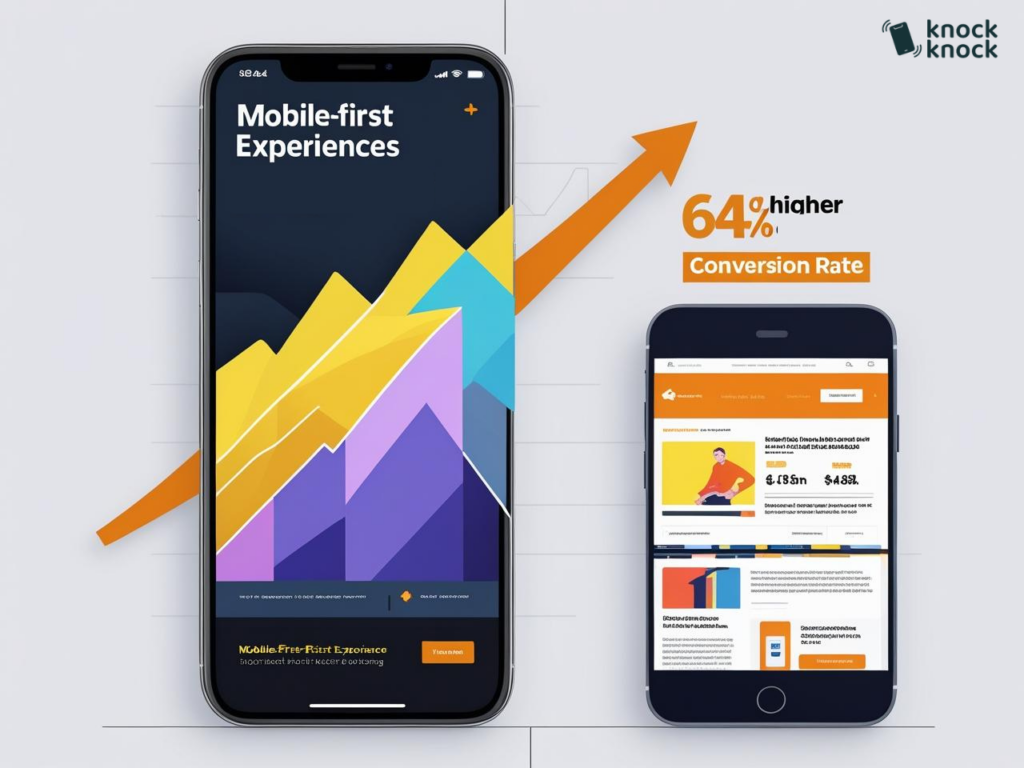
Top conversion rate optimization in marketing strategies now prioritize mobile-first design principles:
- Implement thumb-friendly navigation (placing important elements within easy reach)
- Optimize page load speed specifically for mobile connections
- Design forms with mobile users in mind (fewer fields, larger touch targets)
- Use mobile-specific CTAs that consider the mobile user’s context
A recent study found that mobile-optimized websites have conversion rates up to 64% higher than their non-optimized counterparts. That’s a massive difference that directly impacts your bottom line.
3. Implement Strategic A/B Testing Programs
A/B testing isn’t new, but the strategic approach to testing has evolved significantly in digital marketing conversion rate optimization. Random, haphazard tests have been replaced by systematic testing programs that follow a clear methodology.
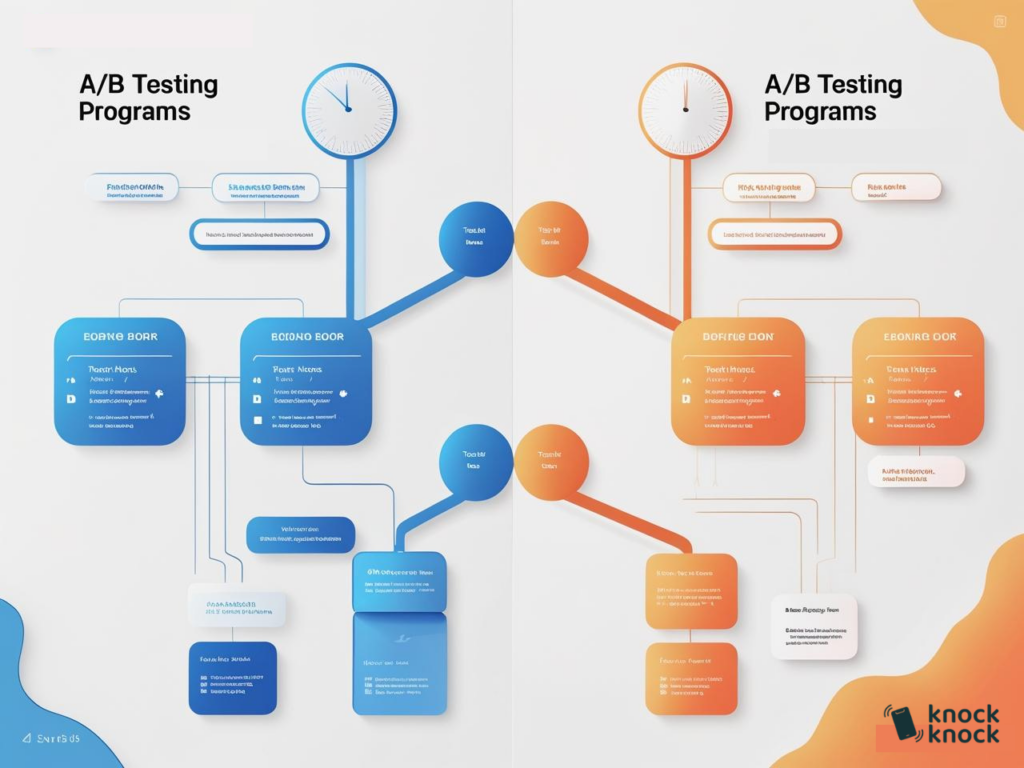
In 2025, the most successful companies are:
- Creating clear hypotheses based on user data and behavior
- Prioritizing tests based on potential impact and implementation effort
- Testing multiple elements simultaneously with multivariate testing
- Using statistical significance calculators to validate results
According to conversion rate optimization in digital marketing experts, businesses that implement structured A/B testing programs see an average lift of 223% in conversion rates over time compared to those that don’t test or test randomly.
Pro tip: Don’t just test random elements. Start with high-impact areas like your main landing pages, checkout process, and primary CTAs. These typically yield the biggest returns on your testing efforts.
4. Leverage Social Proof and Trust Signals
In an era of increasing online skepticism, building trust quickly has become one of the most powerful conversion rate optimization in marketing techniques. Strategic placement of trust signals throughout the customer journey can dramatically impact conversion rates.
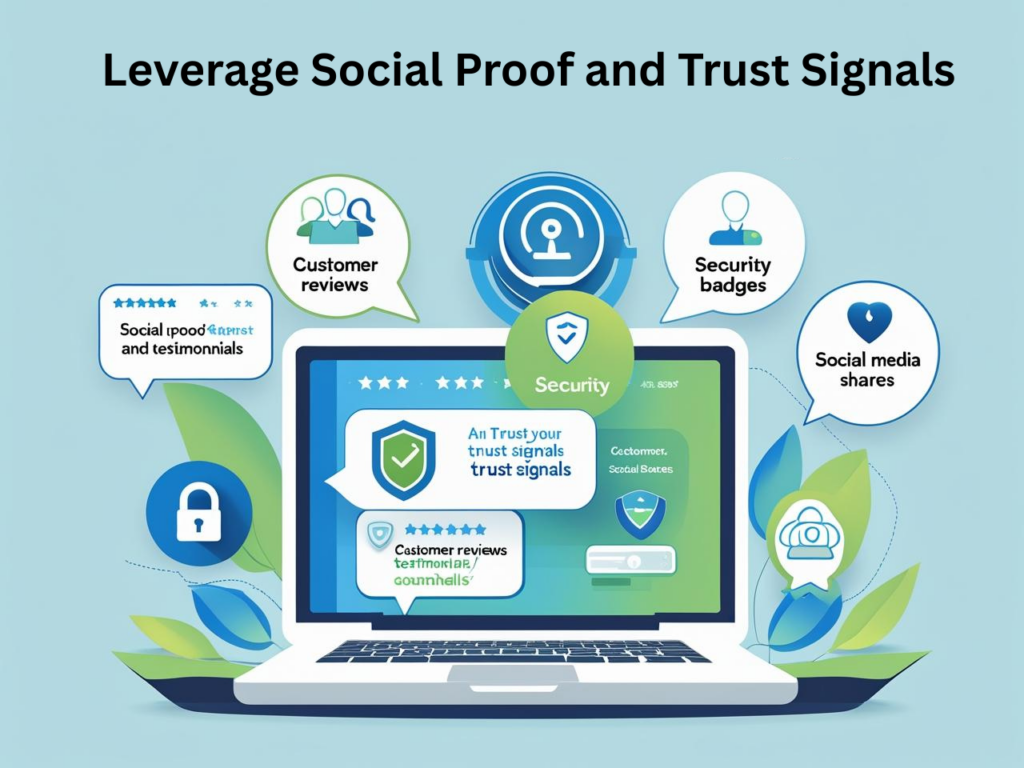
Effective trust signals in 2025 include:
- Customer reviews and testimonials (especially video testimonials)
- Security badges and certifications
- “As featured in” media mentions
- Real-time social proof notifications
- Transparent pricing and policies
One eCommerce site increased conversions by 34% simply by adding customer photos alongside reviews. Another B2B company saw lead form completions jump by 45% after adding client logos and case study snippets to their landing pages.
5. Streamline the Path to Conversion
In 2025, attention spans continue to shrink, making a streamlined conversion path more important than ever. Every extra step, form field, or moment of confusion in your conversion process can lead to abandonment.
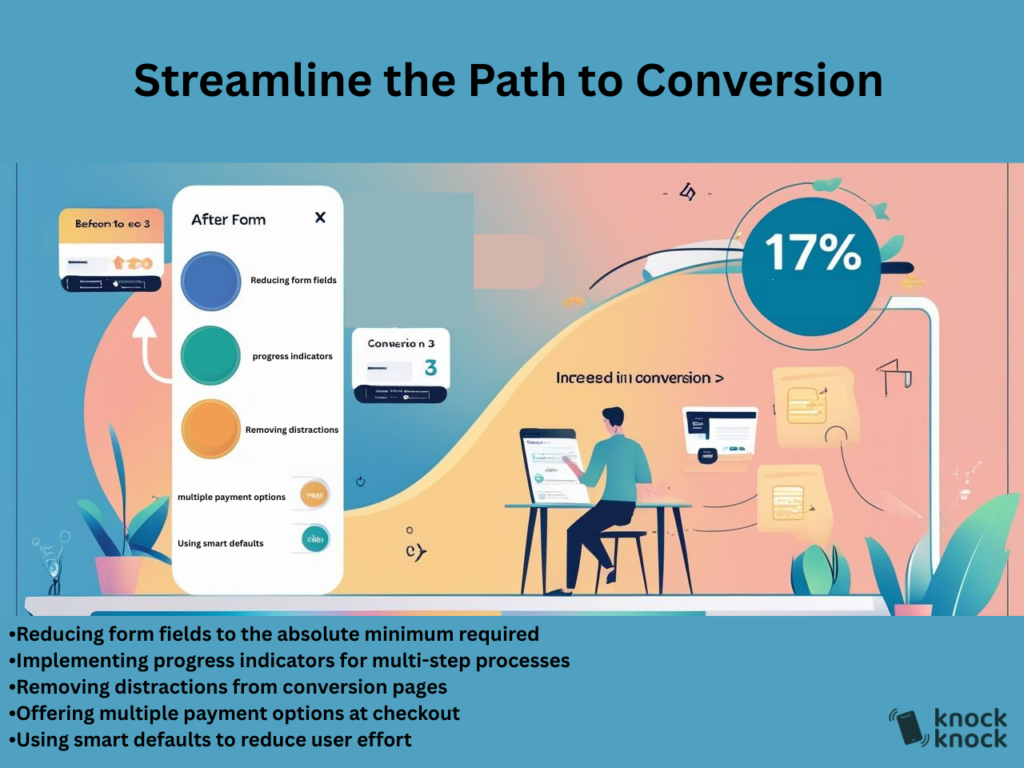
The best conversion rate optimization in consultative internet marketing sales approaches now focus on:
- Reducing form fields to the absolute minimum required
- Implementing progress indicators for multi-step processes
- Removing distractions from conversion pages
- Offering multiple payment options at checkout
- Using smart defaults to reduce user effort
A recent study by the conversion rate optimization software market leader found that reducing a checkout process from 5 steps to 3 steps increased conversions by 17%. Similarly, reducing form fields from 11 to 4 boosted form completions by 120%.
6. Harness the Power of Video Content
Video has emerged as one of the most effective tools in the digital marketing conversion rate optimization toolkit. In 2025, video content isn’t just about engagement – it’s a powerful conversion driver when used strategically.
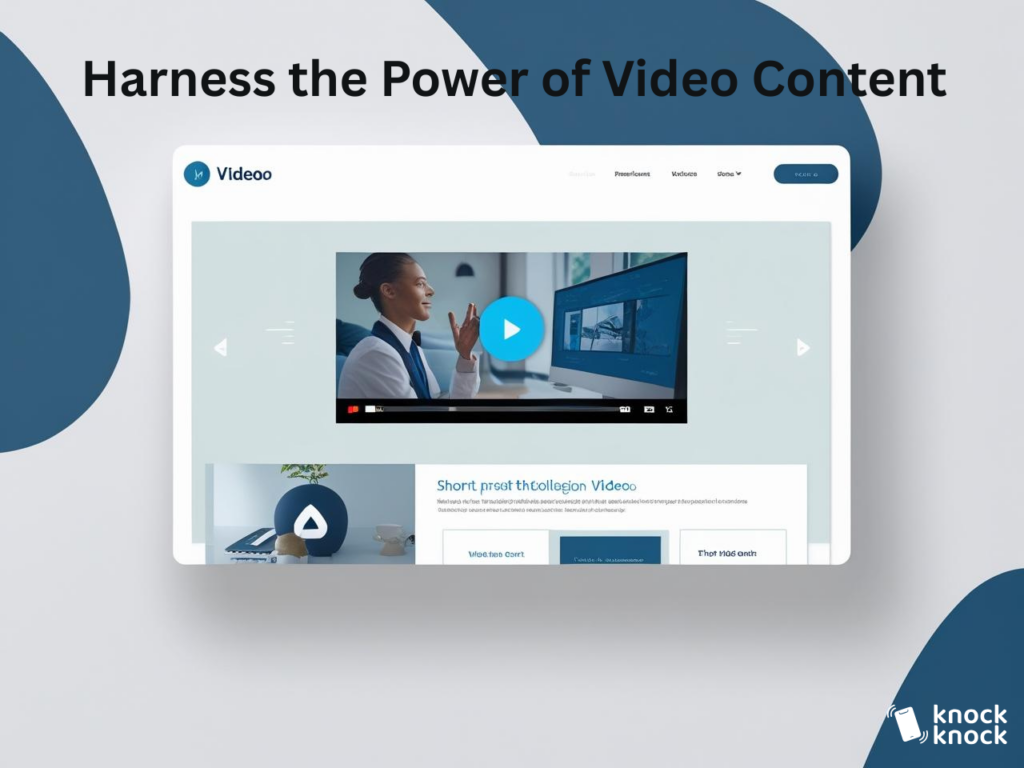
Effective ways to use video for CRO include:
- Product demonstration videos that showcase benefits
- Explainer videos on landing pages (can increase conversions by up to 80%)
- Customer testimonial videos that build trust
- How-to videos that overcome common objections
- Behind-the-scenes content that builds brand connection
One SaaS company increased their landing page conversion rate from 2.5% to 4.7% simply by adding a 60-second explainer video. Another eCommerce brand saw a 30% increase in conversions after adding product videos to their top-selling items.
7. Optimize Page Load Speed
In 2025, speed isn’t just about user experience – it’s a critical factor in conversion rate optimization in digital marketing. Studies consistently show that even a one-second delay in page load time can reduce conversions by up to 7%.
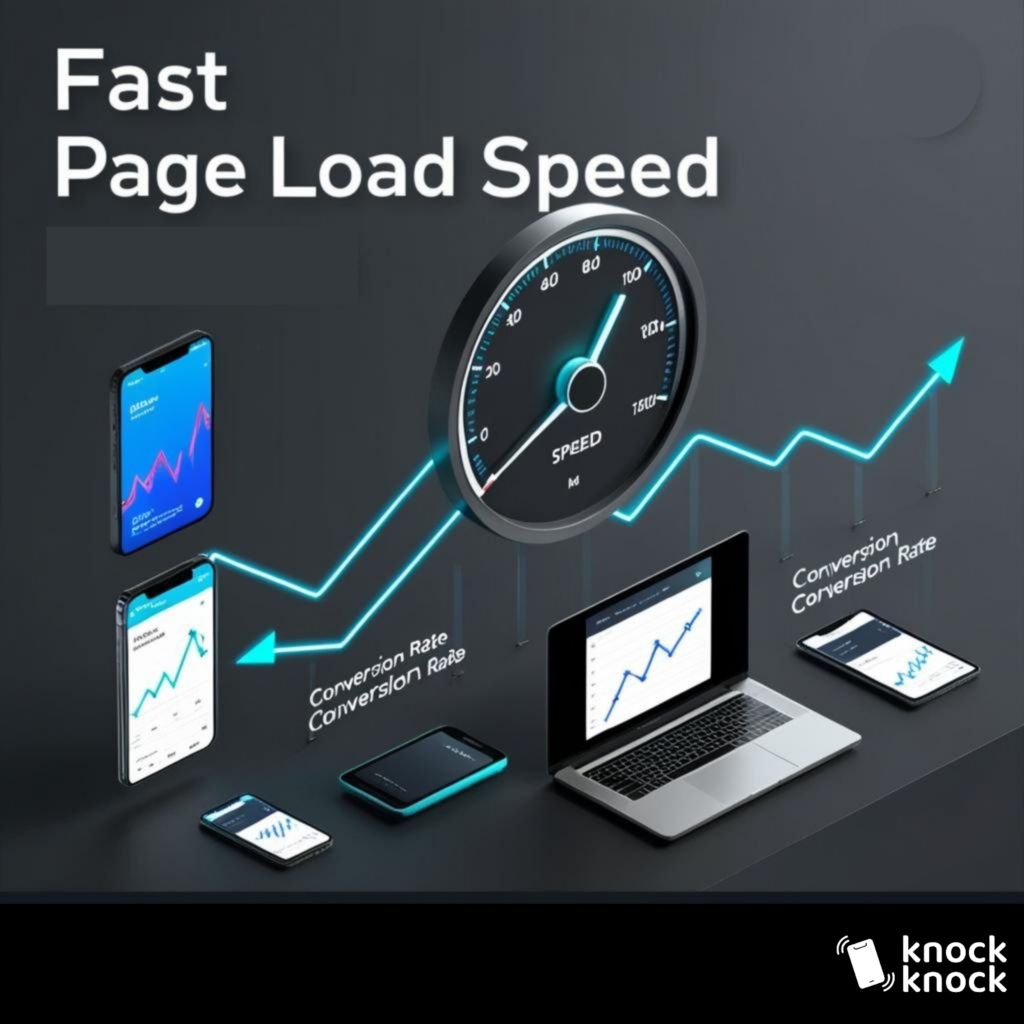
Leading digital marketing agencies like Havas digital marketing agencies conversion rate optimization teams recommend these speed optimization techniques:
- Implement lazy loading for images and videos
- Utilize next-gen image formats like WebP
- Minimize HTTP requests
- Leverage browser caching
- Use content delivery networks (CDNs)
A recent case study showed that an online retailer increased conversions by 17% after reducing their average page load time from 4.2 seconds to under 2 seconds. The impact was even more dramatic on mobile, where conversions increased by 25%.
8. Create Persuasive, Benefit-Focused Copy
In the world of conversion rate optimization in marketing, how you communicate is just as important as what you offer. In 2025, the most effective copy focuses relentlessly on customer benefits rather than product features.
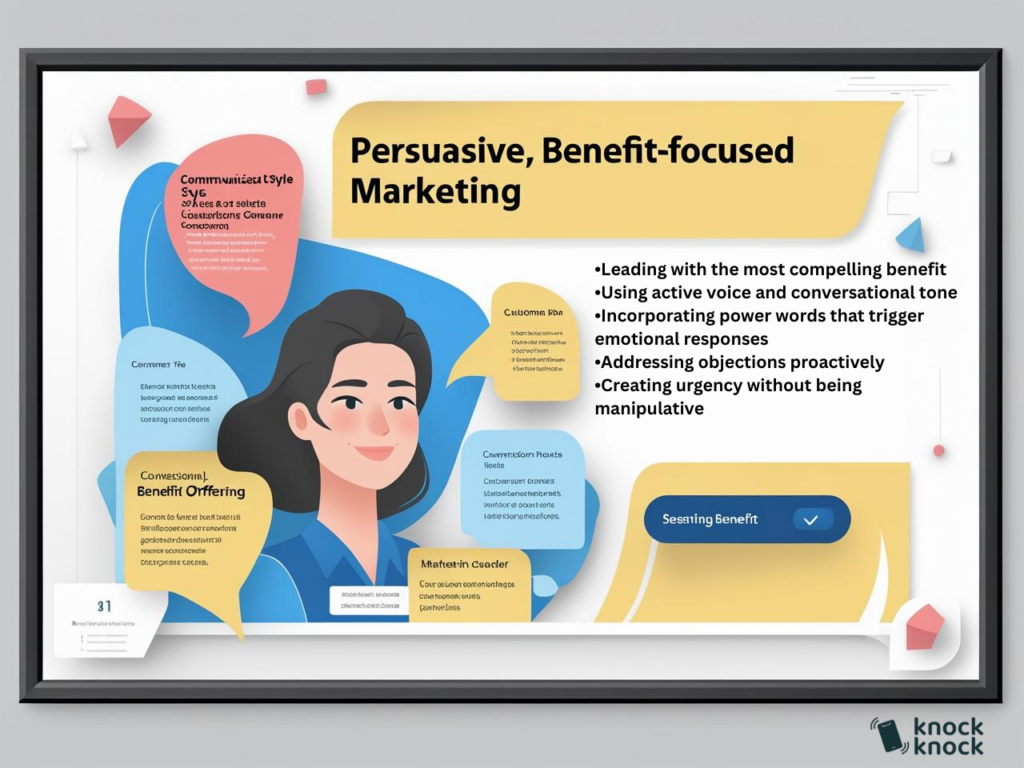
Best practices for conversion-focused copywriting include:
- Leading with the most compelling benefit
- Using active voice and conversational tone
- Incorporating power words that trigger emotional responses
- Addressing objections proactively
- Creating urgency without being manipulative
One B2B company increased landing page conversions by 90% simply by rewriting their headline to focus on the end benefit rather than the product features. Another saw a 40% lift in click-through rates by reframing their CTAs to emphasize value rather than action.
9. Implement Intelligent Retargeting Strategies
Not all visitors will convert on their first visit, making retargeting a crucial component of conversion rate optimization in digital marketing. But in 2025, basic retargeting has evolved into sophisticated, multi-touch strategies.
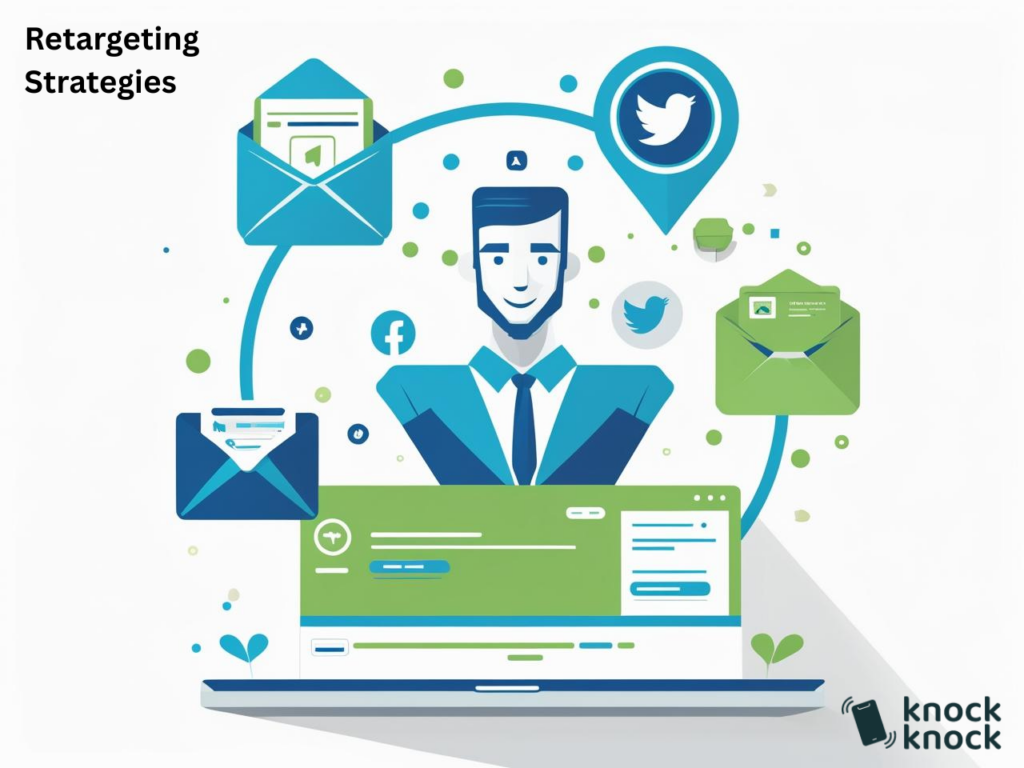
Advanced retargeting approaches now include:
- Segmented retargeting based on specific behaviors
- Sequential messaging that evolves over time
- Cross-channel retargeting across multiple platforms
- Personalized offers based on browsing history
- Cart abandonment recovery with incentives
Companies implementing these advanced retargeting strategies are seeing conversion rates 3-5 times higher than with standard retargeting. One eCommerce brand increased their retargeting conversion rate from 2.1% to 7.3% by implementing behavior-based segmentation and sequential messaging.
10. Utilize Conversion-Focused Analytics
You can’t improve what you don’t measure. In 2025, the most successful digital marketers are going beyond basic analytics to implement conversion-focused measurement systems.
Key analytics practices for conversion rate optimization in marketing include:
- Setting up proper goal tracking and funnel visualization
- Implementing heatmaps and session recordings
- Tracking micro-conversions and engagement metrics
- Using attribution modeling to understand conversion paths
- Conducting regular user testing and feedback collection
According to research, companies that implement comprehensive analytics programs see conversion rates 23% higher than those using basic analytics alone. The insights gained from proper measurement allow for continuous, data-driven optimization.
The Growing Conversion Rate Optimization Market Size
The explosive growth in the conversion rate optimization market size reflects just how critical CRO has become to digital marketing success. With the market projected to reach $3.9 billion by 2031, businesses of all sizes are investing in CRO tools and expertise.
This growth is driven by several factors:
- Rising digital advertising costs making efficiency crucial
- Increasing competition across virtually all online sectors
- Growing consumer expectations for seamless experiences
- Advances in AI and analytics making CRO more accessible
- Clear ROI benefits compared to other marketing investments
For businesses looking to stay competitive in 2025 and beyond, investing in conversion rate optimization in digital marketing isn’t optional – it’s essential.
Choosing the Right Conversion Rate Optimization Companies in Digital Marketing
With so many options available, selecting the right partner for your CRO efforts can be challenging. Here are key factors to consider when evaluating recommended conversion rate optimization companies in digital marketing:
- Proven track record: Look for case studies and results with businesses similar to yours
- Comprehensive approach: Avoid firms that focus on just one aspect of CRO
- Data-driven methodology: Ensure they have a structured, evidence-based process
- Industry expertise: Different sectors have unique conversion challenges
- Tool proficiency: Check their experience with leading CRO platforms
- Collaborative style: The best results come from agencies that work as partners
Many businesses find success working with specialized CRO agencies rather than general digital marketing firms. These specialists, like those recommended by Havas digital marketing agencies conversion rate optimization experts, often deliver superior results due to their focused expertise.
How Knock Knock App Transforms Conversion Rate Optimization
While implementing these best practices can significantly improve your conversion rates, having the right tools makes the process much more effective. That’s where Knock Knock App comes in.
Knock Knock App combines the best of AI automation with human touch to create a powerful conversion rate optimization tool for businesses of all sizes. Here’s how it helps implement the best practices we’ve discussed:
AI-Powered Personalization: Knock Knock’s intelligent algorithms analyze visitor behavior in real-time to deliver personalized experiences that convert.
Mobile Optimization: The platform is designed with mobile-first principles, ensuring optimal performance across all devices.
Built-in Testing: Easily implement A/B tests without technical expertise, with clear reporting on what’s working.
Trust Building: Knock Knock helps you showcase social proof and build trust through strategic engagement.
Streamlined Conversions: The intuitive interface guides visitors through a frictionless path to conversion.
Video Integration: Seamlessly incorporate video content that drives engagement and conversions.
Speed Optimization: Knock Knock is built for performance, with minimal impact on your site’s load times.
Conversion Analytics: Gain deep insights into visitor behavior with comprehensive analytics and reporting.
Businesses using Knock Knock App have seen conversion rate increases of 25-40% on average, with some achieving even more dramatic results. The platform’s unique blend of AI efficiency and human warmth creates experiences that not only convert but also build lasting customer relationships.
Conclusion: The Future of Conversion Rate Optimization in Marketing
As we move through 2025, conversion rate optimization in digital marketing will continue to evolve. The most successful businesses will be those that embrace data-driven optimization while still focusing on creating authentic, valuable experiences for their customers.
The best practices we’ve covered aren’t just trends – they’re fundamental approaches that will continue to drive results as technology and consumer behavior evolve. By implementing these strategies and leveraging tools like Knock Knock App, you can transform your digital marketing ROI and gain a significant competitive advantage.
Remember, conversion rate optimization isn’t a one-time project – it’s an ongoing process of testing, learning, and improving. Start with the areas that will have the biggest impact on your business, measure your results, and continue to refine your approach over time.
Ready to transform your conversion rates and maximize your digital marketing ROI? Start your free trial of Knock Knock App today and see the difference for yourself.