Introduction: Why Customer Experience Matters Now More Than Ever
Many businesses know AI can help improve customer experience, but they’re not sure where to start. They try adding a chatbot here or some automation there, without a clear plan for how everything fits together.
This guide will walk you through a simple framework to transform your customer experience using AI. We’ll cover how to:
- Figure out where your customer experience stands today
- Set clear goals for what you want to achieve
- Make a strong case for investing in AI
- Create a step-by-step plan that actually works
How Good Is Your Customer Experience Right Now?
Before you can improve something, you need to know where you stand. Start by assessing how your business currently manages customer interactions, information, technology, and feedback.
The Customer Experience Scale
Most businesses fall somewhere on this scale:
- Reactive: You handle customer problems as they come up, but there’s no real system in place. Customer information is scattered across different departments, and you’re not using data to improve.
- Organized: You have consistent ways of handling customer interactions and have started bringing customer data together. You might look at basic reports, but you’re not using AI yet.
- Responsive: You’ve connected customer data across different channels and can spot some patterns. You might have a basic chatbot, but no overall AI strategy.
- Predictive: You use advanced data analysis and some AI tools to anticipate what customers need. You have an AI strategy but haven’t fully connected all customer touchpoints.
- Transformative: AI is fully integrated across all customer interactions, creating seamless, personalized experiences. You’re constantly innovating to stay ahead of customer expectations.

What to Look At
To figure out where you stand, look at these key areas:
- Your Customer Data: How good is your customer information? Can you access it easily? Look for scattered or disconnected data that could make it harder to improve customer experience.
- Your Technology: What systems do you currently use for customer service, sales, and marketing? How well do they work together?
- Your Processes: How do you handle customer interactions? Are there bottlenecks or frustrations that keep coming up?
- Your Team: Does your team understand AI basics? Are they ready to work alongside AI systems?
- Customer Feedback: How do you collect and use customer feedback?
Simple Ways to Assess Your Situation
Here are some practical ways to evaluate where you stand:
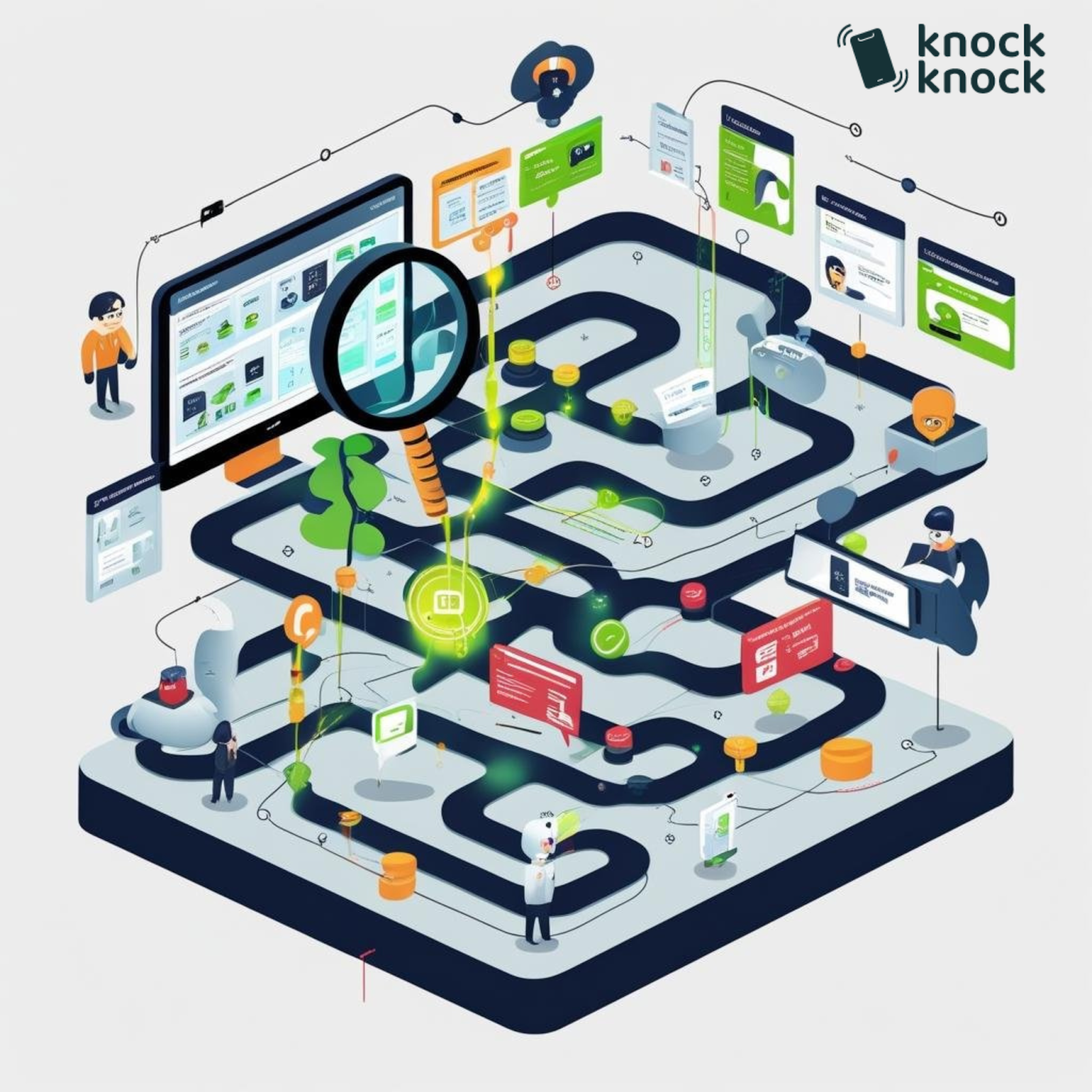
- Map the Customer Journey: Write down every step customers take when interacting with your business, noting pain points along the way.
- Listen to Customers: Gather feedback from reviews, surveys, and support conversations to identify common issues.
- Check Out Competitors: See what your competitors are doing well (or poorly) with their customer experience.
- Review Your Tech: Make a list of all the tools you currently use and identify gaps that AI could fill.
By taking an honest look at where you stand today, you’ll have a clear starting point for your customer experience transformation.
Setting Clear Goals for AI in Your Business
Now that you know where you stand, it’s time to set clear goals for what you want AI to help you achieve. These goals should connect directly to your business objectives while addressing specific customer experience challenges.
Connecting AI Projects to Business Goals
Start by linking your AI plans to your main business goals:
- Happier Customers: Set specific targets for improving satisfaction scores or customer loyalty metrics.
- Lower Costs: Define how much you want to reduce expenses through automation.
- More Revenue: Set goals for increasing sales, average order size, or customer lifetime value.
- Standing Out from Competitors: Clarify how AI will make your customer experience different and better than the competition.
Connecting your AI projects to clear business goals makes it easier to measure whether each initiative is delivering meaningful results.
Picking the Right AI Projects
Once you have your high-level goals, identify specific ways AI can transform your customer experience:
- Personalization: AI that analyzes customer behavior to deliver recommendations and offers tailored to each person.
- Self-Service: Smart chatbots and virtual assistants that can answer questions without human help.
- Proactive Service: AI systems that spot potential problems before customers even experience them.
- Understanding Customer Feelings: Tools that analyze feedback across channels to identify issues and opportunities.
- Journey Optimization: AI that adjusts the customer experience in real-time based on individual behavior.
For each project, define what success looks like with specific, measurable outcomes.
Deciding What to Do First
Not all AI projects are equally valuable. Prioritize based on:
- Business Impact: Which projects will deliver the biggest return on investment?
- Ease of Implementation: How difficult will each project be to implement?
- Strategic Fit: How well does each project align with your core business goals?
- Quick Wins vs. Long-Term Gains: Balance projects that show immediate results with those that build long-term capabilities.
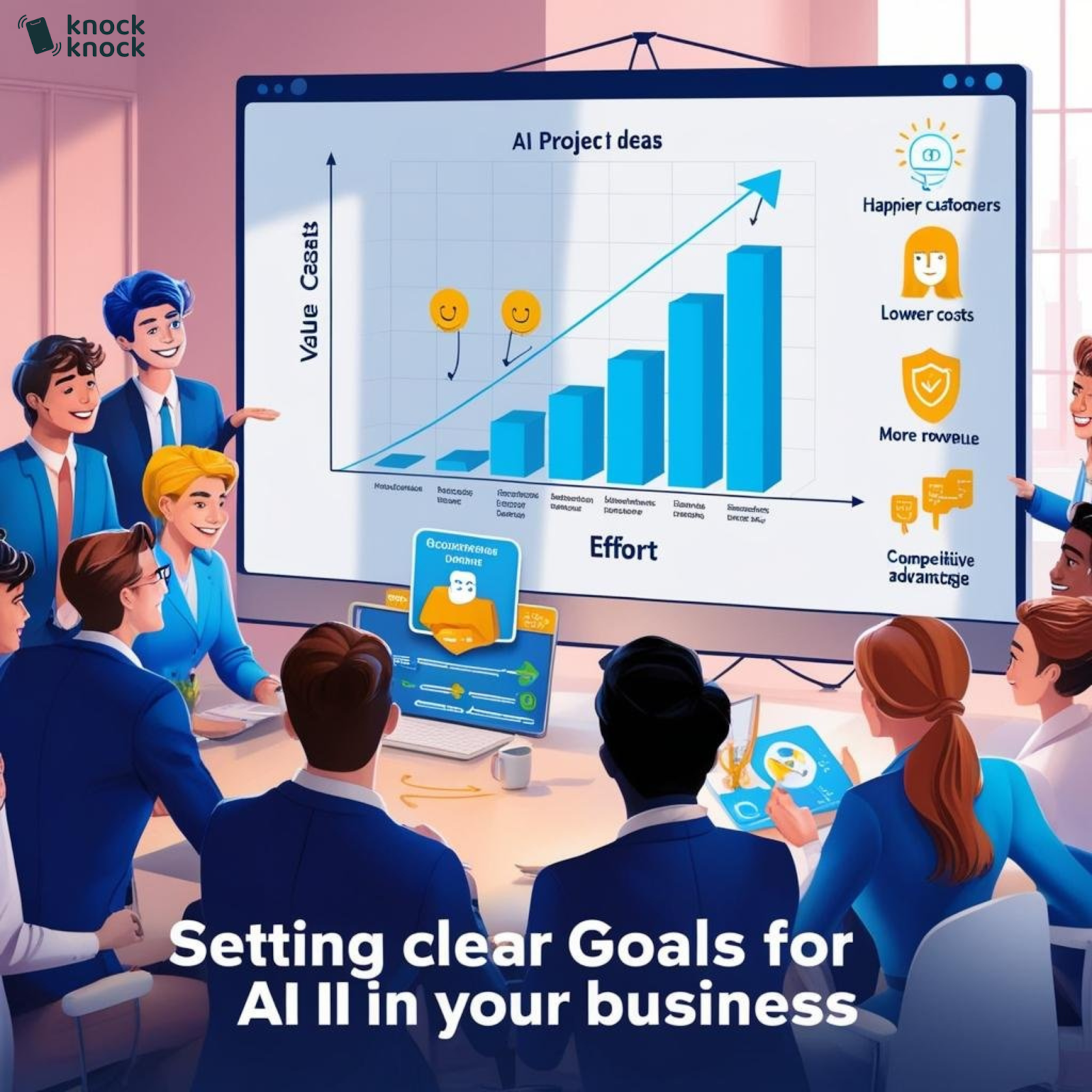
A simple way to visualize this is to create a chart with “value” on one axis and “effort” on the other, then plot your potential projects.
Setting Realistic Timelines
AI transformation takes time. Create a realistic schedule that accounts for:
- Technical Requirements: What needs to be in place before you can implement each project?
- Team Readiness: How much time will your team need to adapt to new ways of working?
- Available Resources: Be honest about your team’s capacity to implement new technologies.
By setting clear, achievable goals and prioritizing your initiatives, you create a roadmap that guides your AI transformation while delivering measurable business value at each stage.
Making the Case for Investing in AI Customer Experience
To get approval and budget for your AI customer experience projects, you need to build a strong business case that shows clear return on investment. Here’s how to make a compelling argument.
Showing the Value of Better Customer Experience
Start by translating customer experience improvements into business results:
- Market Share Growth: Better customer experience helps you win more customers from competitors. Estimate the value of capturing additional market share.
- Revenue Growth: Calculate how much additional revenue you could generate from higher conversion rates and larger purchases.
- Cost Savings: Identify customer service tasks that AI automation could handle and calculate the potential operational savings.
- Customer Retention: Calculate the value of reducing customer loss through better experiences.
Calculating Return on Investment for Each AI Project
For each AI project you’re proposing, develop detailed ROI projections:
- Implementation Costs: Include technology costs, integration work, data preparation, and ongoing maintenance.
- Operational Savings: Calculate labor savings from automation, reduced errors, and improved efficiency.
- Revenue Increases: Project additional sales from better conversion rates, cross-selling, and customer retention.
- Time to Value: Estimate how quickly each project will start delivering returns and how those returns will grow over time.
Addressing Potential Concerns
A complete business case should also address possible risks:
- Data Privacy and Security: Outline how you’ll protect customer data and comply with regulations.
- Ethical AI Use: Address concerns about bias, transparency, and responsible AI use.
- Implementation Challenges: Identify potential obstacles and your plans to overcome them.

Creating a Presentation That Gets Approved
Package your business case for maximum impact:
- Executive Summary: Provide a brief overview of your proposed transformation, expected outcomes, and required investment.
- Current Situation Analysis: Highlight problems in your existing customer experience and their business impact.
- Proposed Solution: Outline your AI transformation plan with clear phases and milestones.
- Financial Analysis: Present detailed ROI projections, including different possible scenarios.
- Implementation Plan: Provide a high-level view of your execution strategy, including resource needs and timeline.
- Success Stories: Include relevant examples from your industry to show proven results.
By building a strong business case focused on financial outcomes, you can clearly communicate the potential value of the investment and give decision-makers the information they need to evaluate your proposal.
Creating a Step-by-Step Implementation Plan
Successful AI customer experience transformation requires a thoughtful, phased approach that balances quick wins with long-term goals. Here’s how to structure your implementation for maximum impact and minimal disruption.
Phase 1: Building the Foundation (Months 1-3)
The first phase focuses on getting the basics in place:
- Organize Your Data: Clean up, connect, and organize your customer data. This might involve creating a central customer database or establishing data governance processes.
- Prepare Your Team: Start training your team on AI basics and prepare them for upcoming changes.
- Evaluate Technology Options: Research potential AI solutions and vendors based on your specific needs.
- Choose Pilot Projects: Identify 1-2 high-impact, relatively simple use cases to start with.
Phase 2: Testing the Waters (Months 4-6)
The pilot phase lets you demonstrate value while learning and refining your approach:
- Limited Rollout: Implement your chosen pilot projects in a controlled environment.
- Measure Results: Set up clear metrics to evaluate how well your pilots are working.
- Gather Feedback: Create ways to collect input from both customers and employees.
- Refine Your Approach: Develop a process for improving your solutions based on early results.
Starting with focused pilot projects allows you to test your approach, measure results, and make adjustments before expanding AI implementation across the business.

Phase 3: Expanding Your Success (Months 7-12)
Once pilots have proven successful, expand your implementation:
- Spread Across the Business: Extend successful solutions to more customer segments or business units.
- Add More Capabilities: Increase the sophistication of your AI implementations.
- Strengthen Connections: Improve how AI systems connect with your other technology.
- Expand Automation: Identify additional processes for AI-powered automation.
Phase 4: Transforming the Business (Months 13+)
The final phase focuses on achieving transformative change:
- Redesign Customer Journeys: Reimagine customer experiences with AI at the core rather than as an add-on.
- Anticipate Customer Needs: Implement advanced AI that predicts what customers want before they ask.
- Create Self-Improving Systems: Deploy AI that gets better over time based on ongoing customer interactions.
- Establish Innovation Process: Create ways to continuously identify and implement new AI use cases.
Best Practices for Implementation
Throughout all phases, follow these proven best practices:
- Start Small, Think Big: Begin with focused projects but keep sight of your larger transformation goals.
- Focus on Value: Prioritize initiatives with clear, measurable business impact.
- Stay Flexible: Use approaches that allow for quick learning and adjustment.
- Balance Technology and Human Touch: Design AI implementations that enhance rather than replace human connections.
- Measure Constantly: Set clear performance indicators and regularly check progress against them.
By taking a phased approach, you can deliver early wins that build momentum while systematically working toward comprehensive transformation. This balanced strategy reduces risk while maximizing the long-term impact of your AI customer experience initiatives.
How Knock Knock App Makes Customer Experience Better with AI

While AI projects can vary significantly in complexity, Knock Knock offers a simpler way to bring AI-powered engagement to your website. Our solution combines the efficiency of artificial intelligence with the essential human touch to create engaging experiences for your website visitors.
Quick and Easy Setup
Knock Knock is designed to simplify the process of adding AI-powered engagement:
- Website Setup: Knock Knock can be added to your website using its available installation options.
- Works with What You Have: Our system is designed to work with existing websites and supported integrations.
- Configurable AI: Knock Knock provides tools to configure AI-powered engagement for your business.
Creating Experiences That Make Customers Happy
Knock Knock transforms how businesses connect with website visitors:
- Smart Visitor Engagement: Our AI helps identify and engage prospects based on available visitor information and behavior.
- Personalized Conversations: Visitors can receive helpful information based on the context available during their interaction.
- Smooth Handoff to Humans: When human expertise is needed, Knock Knock can transition the conversation to your team with relevant context.
Real Business Results
The impact of Knock Knock can be measured using the customer experience and sales metrics that matter to your business:
- Qualified Leads: Track how AI-powered engagement contributes to lead generation.
- Response Times: Measure how quickly visitors receive help.
- Conversion Rates: Monitor how visitor engagement contributes to conversions.
- Customer Experience: Use customer feedback and engagement data to understand the quality of interactions.
The Perfect Mix of AI and Human Connection
What makes Knock Knock special is our approach to blending technology with humanity:
- AI Does the Heavy Lifting: Our AI can handle routine questions, qualification, and information gathering, freeing your team from repetitive tasks.
- Humans Add the Personal Touch: Your team steps in for complex situations where empathy, creativity, and human judgment matter most.
- Continuous Improvement: Teams can use conversation and performance data to refine how AI-powered engagement works over time.
By using Knock Knock, you’re not just adding another tool to your tech stack. You’re changing how you connect with potential customers by bringing AI-powered engagement and human interaction together in the customer journey.
Conclusion: Taking the First Step
Transforming your customer experience with AI doesn’t have to be overwhelming. By starting with a clear assessment of where you stand today, setting specific goals, building a solid business case, and taking a step-by-step approach, you can create customer experiences designed to support measurable business results.
Knock Knock offers a simpler path to bringing AI-powered engagement and human connection together. Businesses can evaluate the platform based on their own customer experience goals, requirements, and results.

Anna Hyatt
Co-Founder | Knock Knock App
AI × Human Touch = Happier Clients, More Revenue
LinkedIn Profile