Customer feedback can provide valuable insight into how people experience a business. Yet many companies still struggle to capture, organize, and analyze customer sentiment effectively. The gap between customer expectations and outdated systems can create hidden costs through inefficient processes, missed customer signals, and poor experiences.
Let’s uncover these hidden costs and see how AI-driven customer insights can help businesses better understand and improve the customer experience.
Measuring Customer Frustration: What Bad Experiences Really Cost Your Business
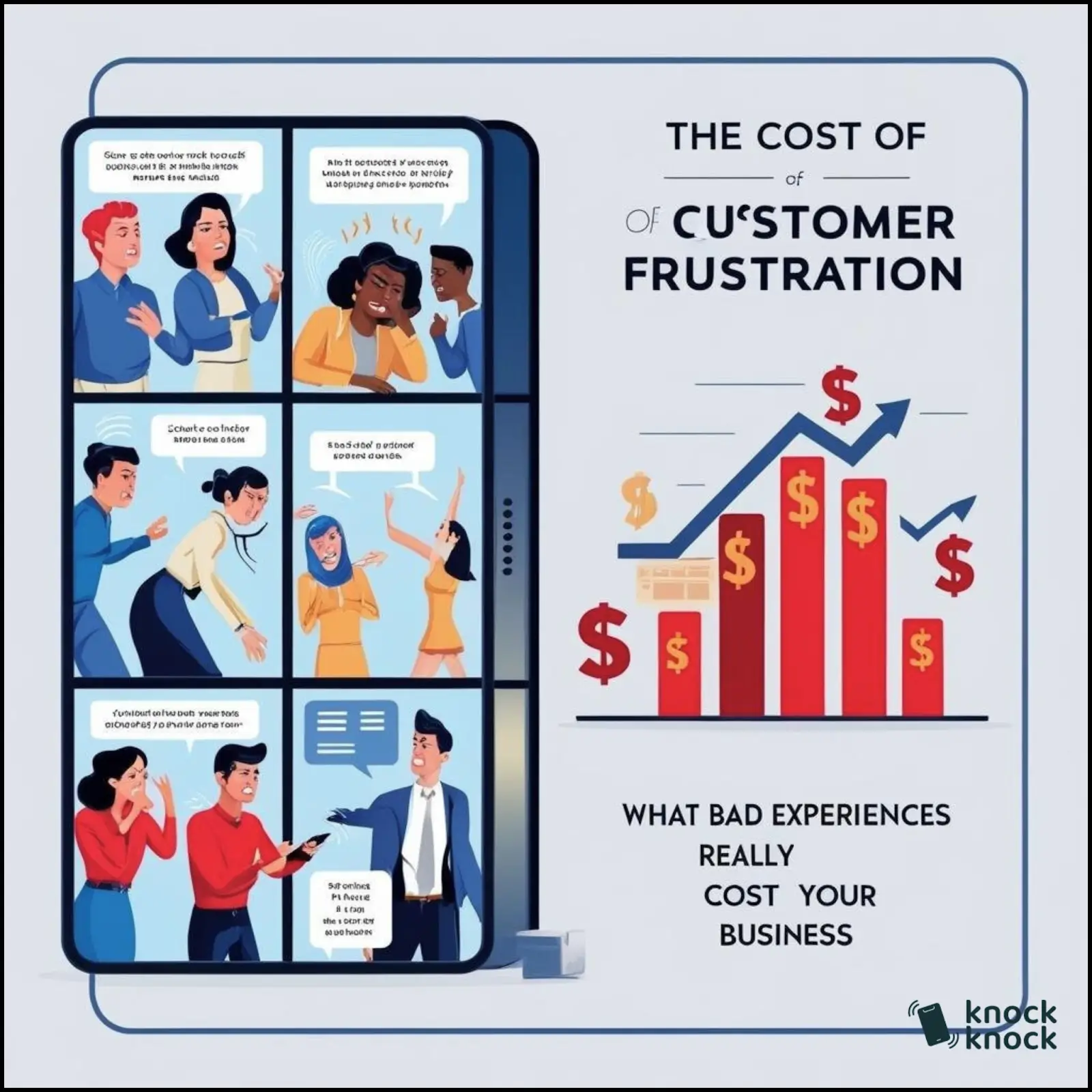
TCustomer frustration can have a direct impact on retention, loyalty, and purchasing decisions. Poor experiences can cause customers to reconsider their relationship with a business, particularly when problems happen repeatedly or remain unresolved.
These experiences show how outdated customer experience systems can create friction points that drive customers away. When customers encounter:
- Clunky interfaces that make simple tasks hard
- Repetitive information requests across different channels
- Long wait times for basic support
- Generic responses that ignore their history with your brand
They may become frustrated, disengage, or choose another provider.
The financial impact can be significant. Customer experience can influence how customers evaluate a brand, whether they return, and how much value they place on the overall experience.
Businesses that fail to address recurring customer experience problems may miss opportunities to strengthen loyalty, retention, and revenue.
The Data Blindspot: Why Businesses Miss Critical Customer Signals
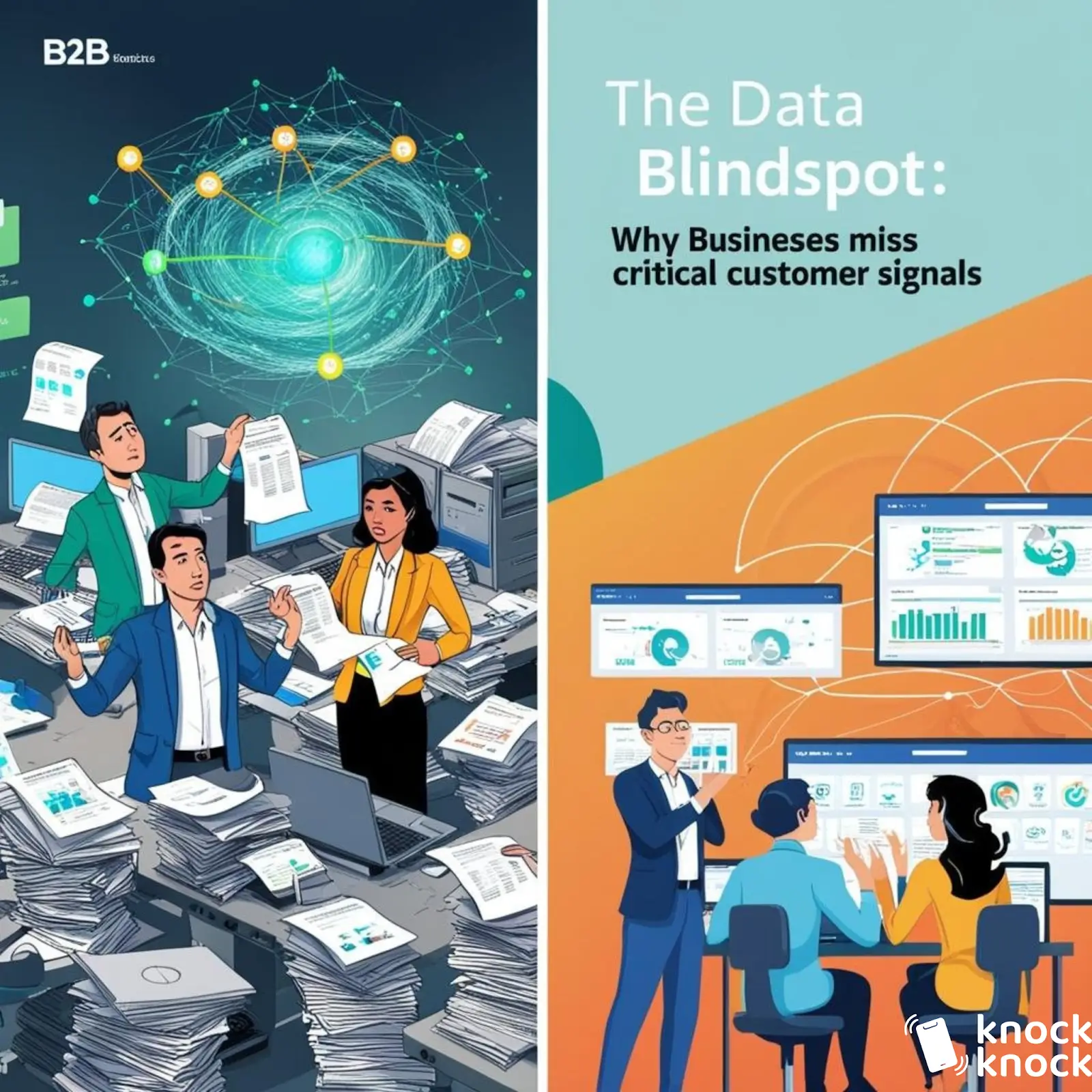
One of the hidden costs of outdated CX systems is the data blindspot they can create. Without timely analytics and useful customer insights, businesses may have an incomplete picture of customer needs and pain points.
Modern AI sentiment analysis can help process large volumes of customer interactions across multiple channels, identifying patterns and emerging issues that may be difficult to detect manually. Outdated systems may rely on:
- Manual review of a small sample of customer feedback
- Delayed reporting that provides insights after issues occur
- Siloed data that prevents a holistic view of the customer journey
- Limited ability to detect subtle shifts in customer sentiment
This data blindspot can mean businesses miss signals that could inform product improvements, service enhancements, and personalization opportunities.
The cost isn’t just in what you know, it’s in what you don’t know. By the time an issue becomes obvious through traditional reporting channels, it may already have affected customer relationships or the overall experience.
Response Time Crisis: How Slow Support Damages Brand Loyalty
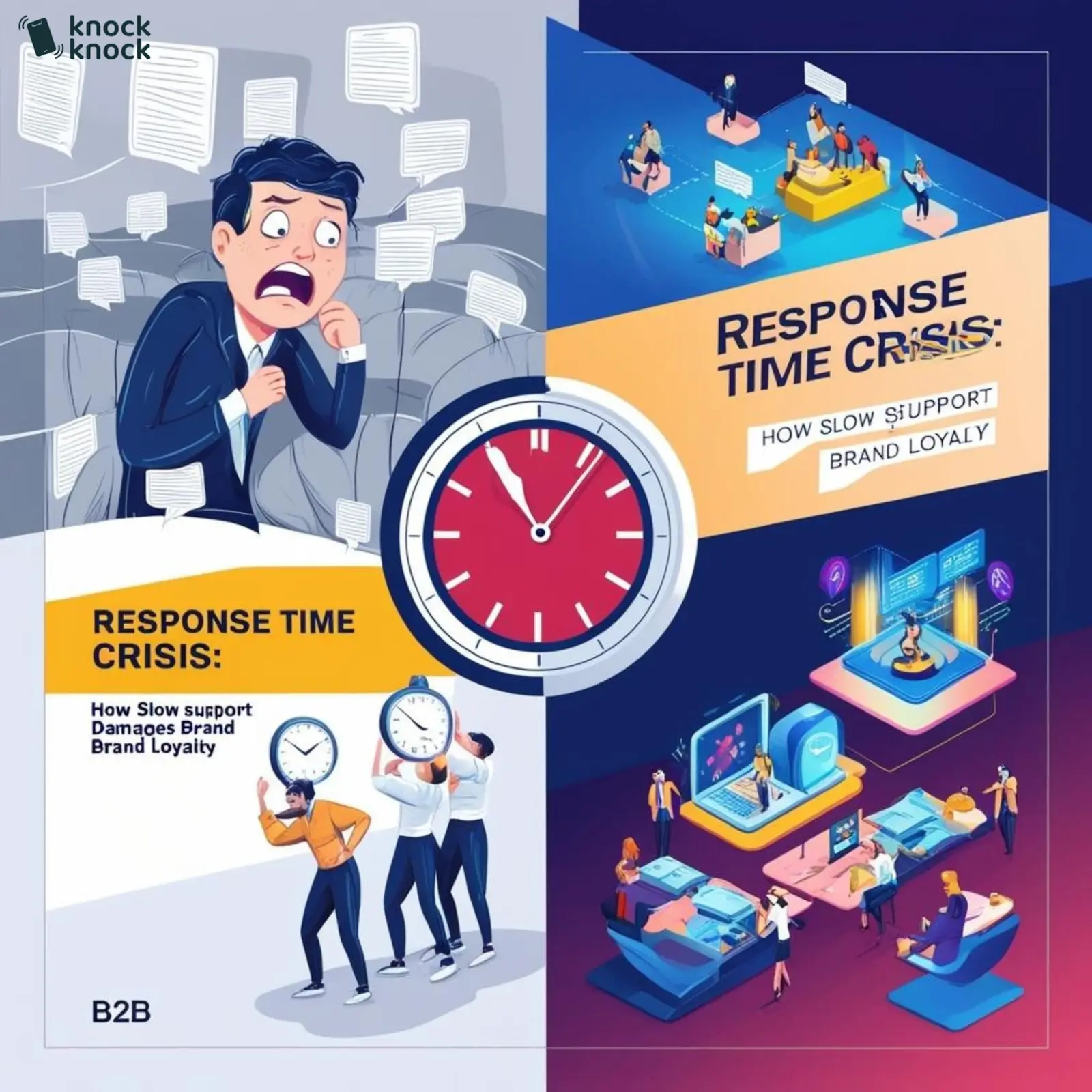
Customers increasingly value convenient and timely support. Outdated customer experience systems can make it more difficult for businesses to respond efficiently, particularly when inquiries must be reviewed, categorized, and routed manually.
Slow response times can contribute to several problems:
- Customer frustration can increase while they wait
- Simple issues may become more difficult to resolve
- Dissatisfied customers may share their experiences through social media or review platforms
- Competitors offering more responsive service may provide a more convenient alternative
The impact of response time varies by industry, customer expectations, urgency, and the type of inquiry. But reducing unnecessary delays can help businesses create a more responsive customer experience.
Modern AI-driven systems can help improve response processes through:
- Automated triage of incoming customer inquiries
- Fast responses to appropriate common questions
- Routing to the most appropriate support channel
- Identification of patterns that may indicate recurring issues
As customer service technology evolves, businesses have more options for combining automation with human support. The goal isn’t simply to respond as quickly as possible, but to provide useful, accurate assistance at the appropriate time.
The Personalization Gap: When Generic Experiences Drive Customers Away
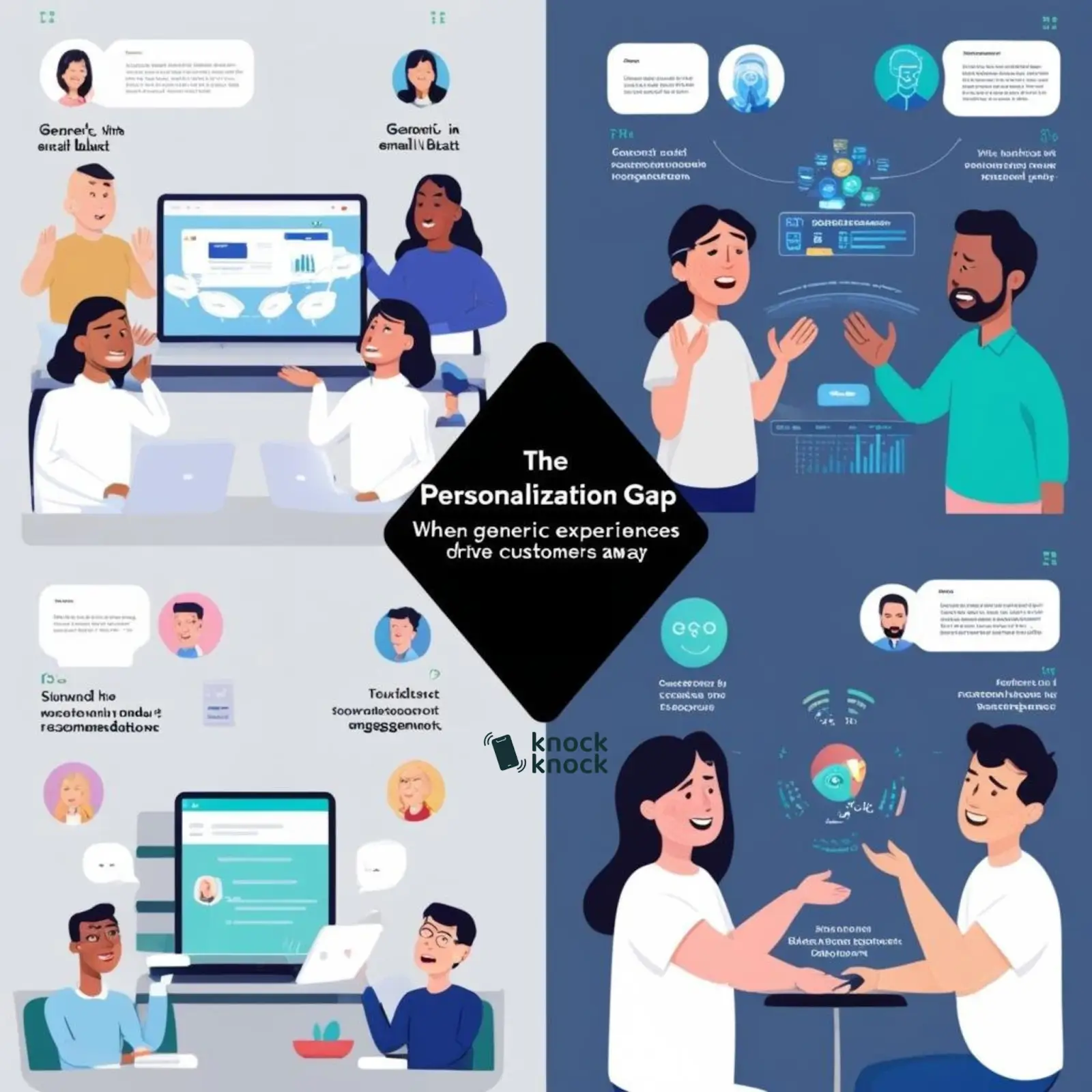
Another hidden cost of outdated CX systems is the personalization gap. Customers may expect businesses to recognize relevant preferences, history, and context rather than treating every interaction as if it were the first.
At the same time, personalization shouldn’t mean removing human interaction. Depending on the situation, customers may value both convenient technology and access to a real person.
Outdated CX systems can create a personalization gap through:
- Not being able to access customer history during interactions
- Limited ability to use past behavior to inform the current experience
- Not recognizing customers across different channels and touchpoints
- Generic communication that ignores individual preferences and history
The result can be a less relevant and more repetitive customer experience.
Modern AI-driven customer insights can help bridge this gap through:
- Real-time access to available customer profiles during interactions
- Analytics that can help identify patterns in customer needs
- More consistent context across connected channels and touchpoints
- Personalized recommendations and communication based on available information
These capabilities depend on the quality of the available data, system integrations, privacy requirements, configuration, and the way businesses choose to use customer information.
How Knock Knock App Helps Address These Hidden Costs
Outdated customer experience systems can create unnecessary friction, but Knock Knock App is designed to help businesses improve how they engage with website visitors. Rather than focusing only on capturing leads, Knock Knock App combines AI-powered engagement, visitor intelligence, and opportunities for human interaction.
Here’s how Knock Knock App can help address the hidden costs we’ve discussed:
- Reducing Customer Frustration: Knock Knock App provides instant assistance to website visitors, answering their questions in real-time based on the AI agent’s configured knowledge and capabilities. This gives visitors another way to find information without navigating unnecessary steps or waiting for an initial manual response.
- Closing the Data Blindspot: Knock Knock App’s AI-powered analytics capture and interpret customer sentiment across supported interactions, helping businesses better understand visitor engagement. These insights can help you identify emerging trends and address potential issues based on the data available within the platform.
- Improving Response Times: Knock Knock App combines AI efficiency and human warmth ensures visitors receive immediate responses by allowing AI to handle appropriate initial interactions while giving businesses the option to bring humans into conversations when needed and available.
- Bridging the Personalization Gap: Knock Knock App remembers returning visitors and tailors interactions using available visitor and CRM context. The information available depends on visitor recognition, connected systems, configuration, and the data accessible to the platform.
What makes this approach useful is that it combines technology with opportunities for direct human interaction. Rather than relying entirely on automation, businesses can use AI for appropriate tasks while allowing people to step into conversations that require expertise, judgment, or a more personal discussion.om visitors, Knock Knock App focuses on providing value first, building trust that naturally leads to stronger business relationships.
Conclusion: Transform Your Customer Experience with Knock Knock App
As we’ve explored, outdated customer experience systems can create costs through customer frustration, inefficient processes, missed information, delayed responses, and less relevant interactions.
The important question is whether your current customer experience systems are giving customers and your team the tools they need.
Knock Knock App combines AI-powered capabilities with opportunities for human interaction. Rather than treating every website visitor simply as a lead to be captured, businesses can use Knock Knock App to create more responsive and contextual website conversations.
With Knock Knock App, you can:
- Create more relevant experiences using available visitor context
- Provide AI-powered assistance for appropriate customer questions
- Gain insights that can help you continuously improve your customer experience
- Combine automated engagement with human interaction when appropriate
Your website visitors shouldn’t have to deal with unnecessary frustration, delays, or repetitive interactions. By combining AI-powered engagement with opportunities for human connection, Knock Knock App gives businesses another way to create more responsive and useful customer journeys.
Actual results will vary based on traffic, audience, implementation, available data, AI configuration, integrations, and the way your team uses the platform.

Anna Hyatt
Co-Founder | Knock Knock App
AI × Human Touch = Happier Clients, More Revenue
LinkedIn Profile


