
Remember the last time you shopped online? Endless scrolling, a dozen tabs open to compare products, and that nagging feeling you might be missing a better deal somewhere else. Things are changing fast, thanks to AI shopping assistants, and Knock Knock is one of the platforms building in this space.
The Online Shopping Problem AI Assistants Are Trying to Solve
Traditional online shopping has a few well-known pain points, from discovery to final purchase decision, and plenty of stores struggle to turn visitors into customers.
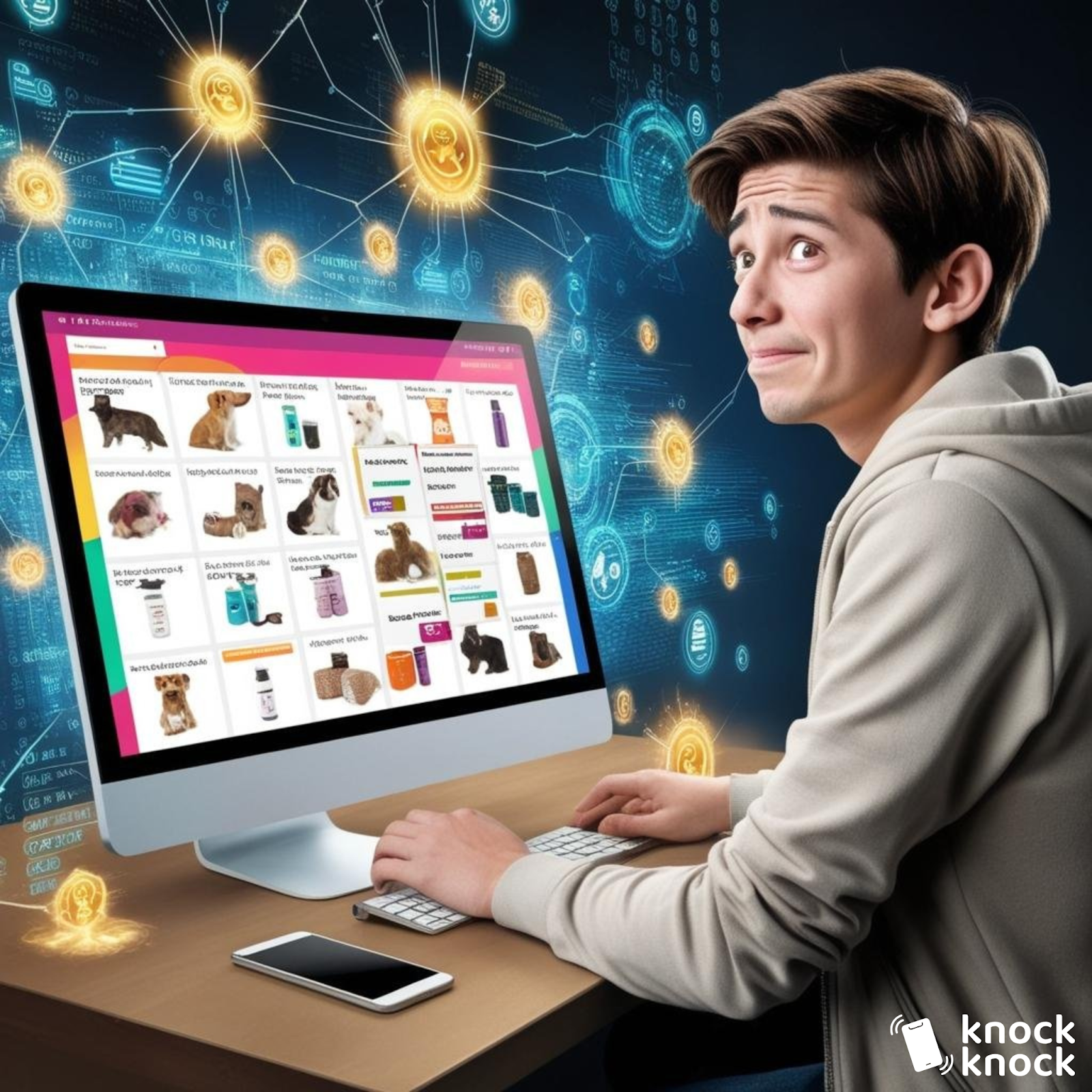
Too Many Choices, Too Little Time
Search for something as simple as “black t-shirt” and you’ll get an overwhelming number of results, major marketplaces list hundreds of millions of products. That volume of choice is a well-documented driver of decision fatigue, abandoned carts, and buyer’s remorse.

“Personalized” Recommendations That Aren’t Personal
Even with all the browsing and purchase data online stores collect, recommendation engines still frequently miss the mark, suggesting things based on a single past purchase rather than genuine preference. Anyone who’s bought a one-off gift and then had their feed flooded with related products for months afterward has run into this.
Missing the Human Touch
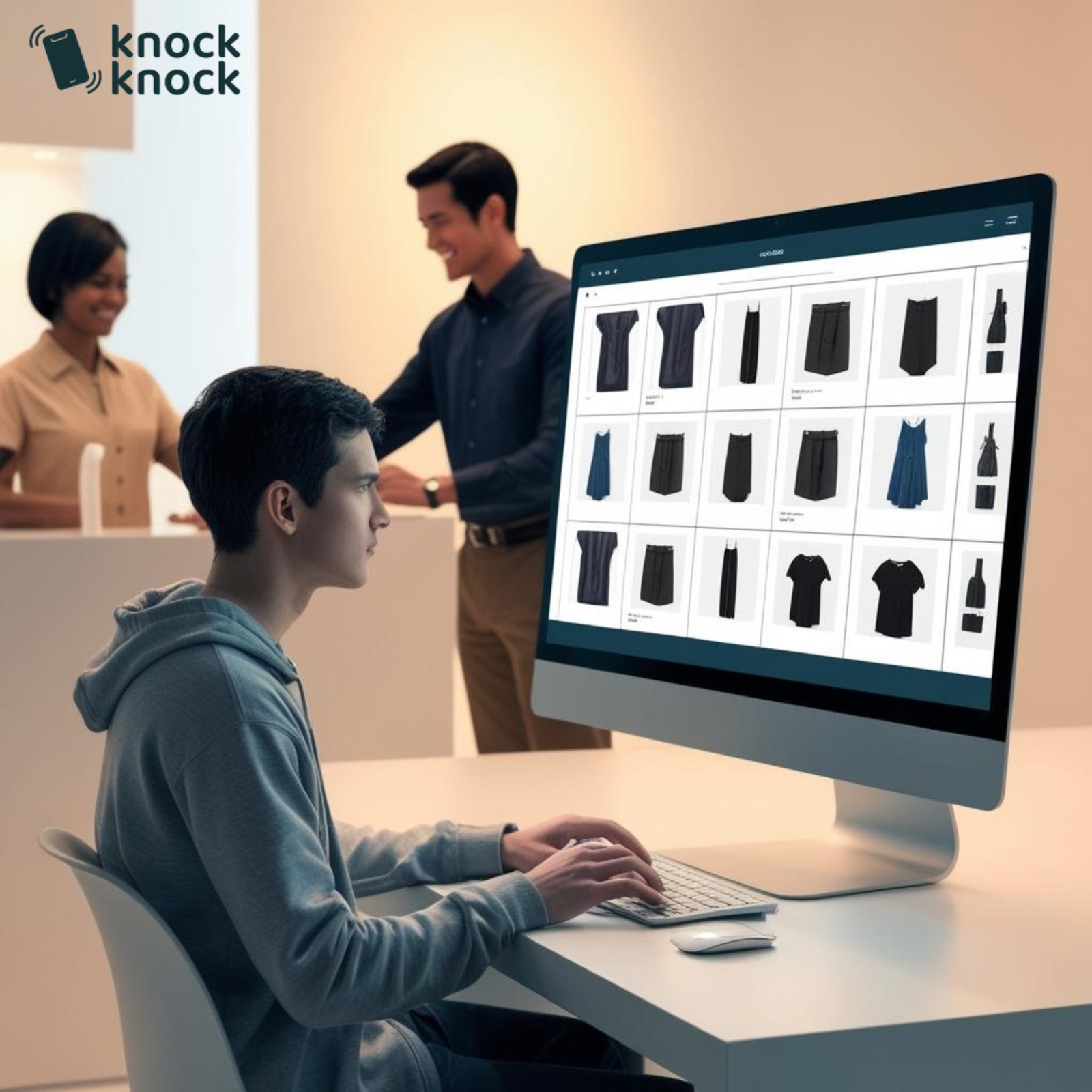
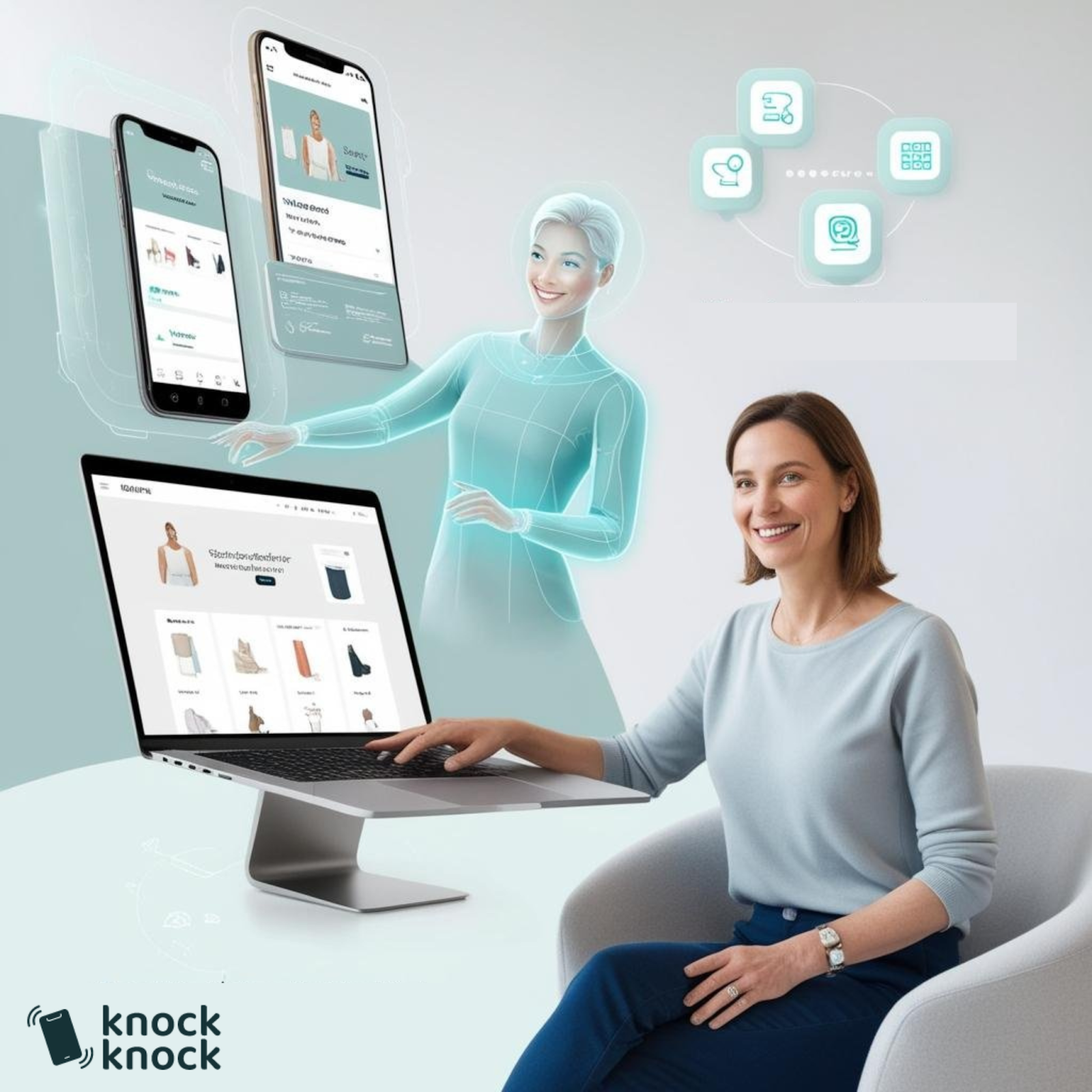
What many shoppers miss most is a knowledgeable store associate who actually listens and guides them to what they need. AI-powered shopping assistants are one attempt to bring some of that back, real-time recommendations and conversational support instead of a static search bar.
How Knock Knock’s AI Shopping Assistant Works
Knock Knock combines AI-driven recommendations with the option to hand off to a real person when a conversation calls for it. In practice, that means:
AI Plus Human Insight
Rather than relying purely on algorithmic matching, Knock Knock’s assistant can escalate to a human agent for judgment calls that benefit from actual expertise, style, fit, and other subjective factors that pure algorithms tend to miss.
Natural Conversation
The assistant is built to understand fairly complex, conversational requests, like “I need something for an outdoor wedding in Florida, but I burn easily”, rather than requiring rigid filters and keyword search.
Learning Beyond Clicks
Instead of only tracking what a shopper clicks or buys, the assistant is designed to pick up on browsing patterns, feedback, and changing preferences over time, aiming to understand the reasoning behind choices, not just the transaction history.
What This Looks Like for Shoppers
- Fewer, better options. Rather than surfacing thousands of results, the goal is a small set of relevant recommendations based on stated needs and past behavior.
- Recommendations that account for nuance. Style, budget sensitivity, and even ethical or sustainability preferences can factor into suggestions, not just “customers who bought this also bought.”
- Proactive help. Instead of waiting for a search, the assistant can flag restocks, sales on items previously viewed, or seasonal needs based on prior activity.
What This Looks Like for Businesses
Retailers using conversational AI shopping assistants generally aim for three outcomes: more visitors converting to buyers, higher average order values through relevant cross-sell and upsell suggestions, and fewer returns from better product-fit guidance before purchase.
If you want hard numbers on any of these, look for third-party, dated case studies or your own A/B test results rather than a single average outcome, real-world results vary significantly by industry, price point, and how the assistant is implemented, and any credible source should tell you as much.
What Makes Knock Knock’s Approach Different
Knock Knock uses natural language processing and behavioral data to aim for a more personalized, human-like support experience than a standard rules-based chatbot, and includes a path to a human agent when the AI reaches its limits. It integrates with ecommerce platforms to pull real-time inventory and product data, so recommendations reflect actual stock.
Technical Capabilities
- Conversational understanding, handling requests like “something similar to the blue dress I bought last summer, but more appropriate for a fall wedding,” using purchase history and stated preferences for context.
- Visual search, identifying products from an uploaded photo and finding similar items across price points.
- Preference modeling, building a picture of style and needs over time rather than reacting only to explicit searches.
Common Challenges with AI Shopping Assistants
Trust
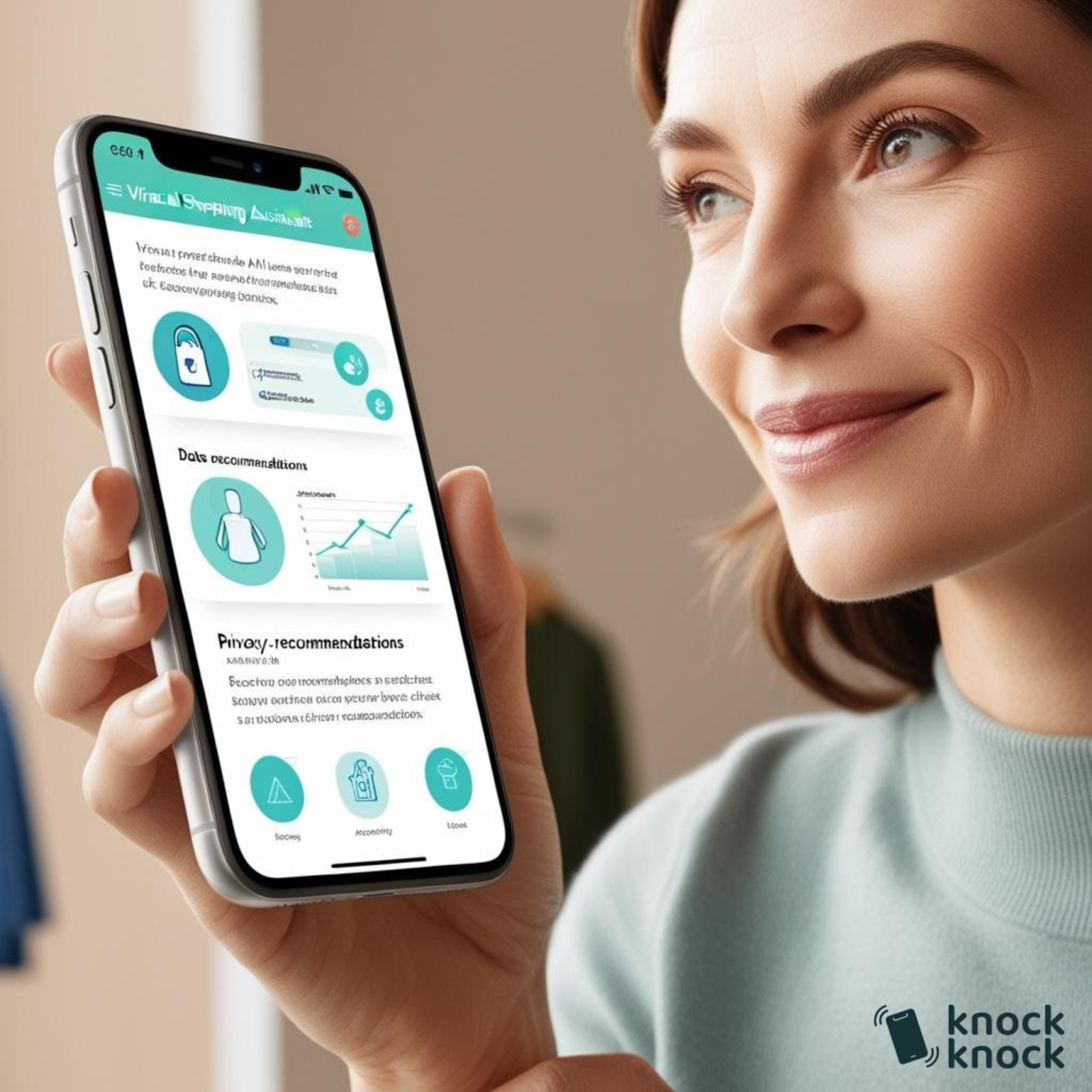
Shoppers are often understandably cautious about relying on an AI for purchase decisions, questions about accuracy, privacy, and reliability are reasonable. Assistants that explain why they’re recommending something, and that make it easy to see or correct the data behind a suggestion, tend to build trust faster than ones that don’t.
Complex or Unusual Requests
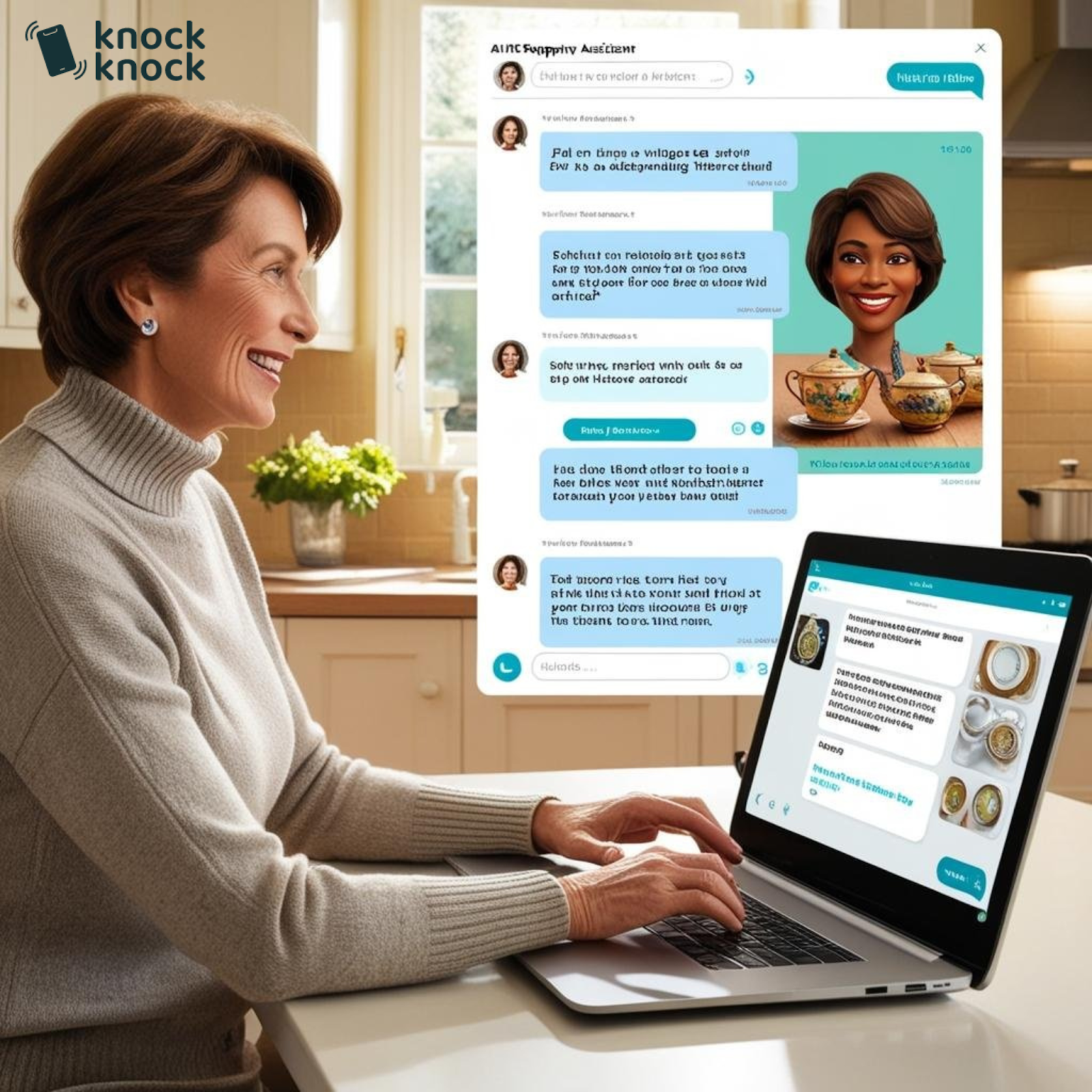
Conversational AI can handle a wider range of ambiguous or highly specific requests than traditional filters and search, but it isn’t perfect. The best implementations ask clarifying questions rather than guessing, and hand off to a human when a request goes beyond what the AI can confidently resolve.
Consistency Across Channels
Shoppers expect the same experience whether they’re on desktop, mobile, or a mobile app. That consistency is a real integration challenge for any assistant meant to work across a retailer’s full stack, not something that happens automatically just by adding AI to one channel.
Measuring Whether an AI Shopping Assistant Is Working
If you’re evaluating a shopping assistant, for Knock Knock or any competitor, the metrics that actually matter are usually:
- Conversion rate before and after implementation, on the same traffic mix
- Change in average order value
- Change in return rate
- Customer satisfaction or CSAT specific to assistant-guided purchases
- Time-to-purchase for shoppers who engage with the assistant versus those who don’t
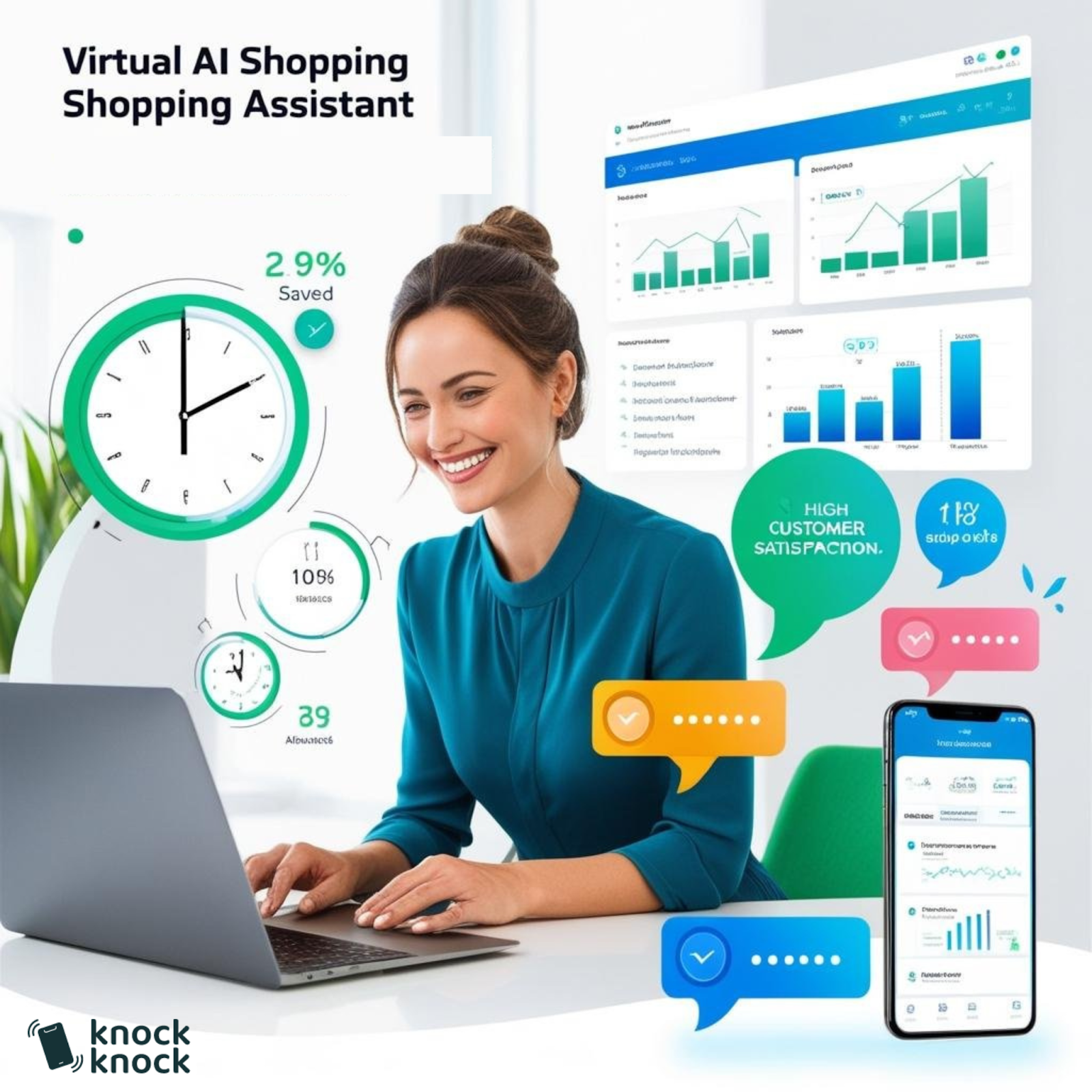
Ask any vendor, including us, to show you these numbers from your own account after a trial period rather than relying on an industry-wide average, since results vary a lot by category and price point.
Where This Is Heading
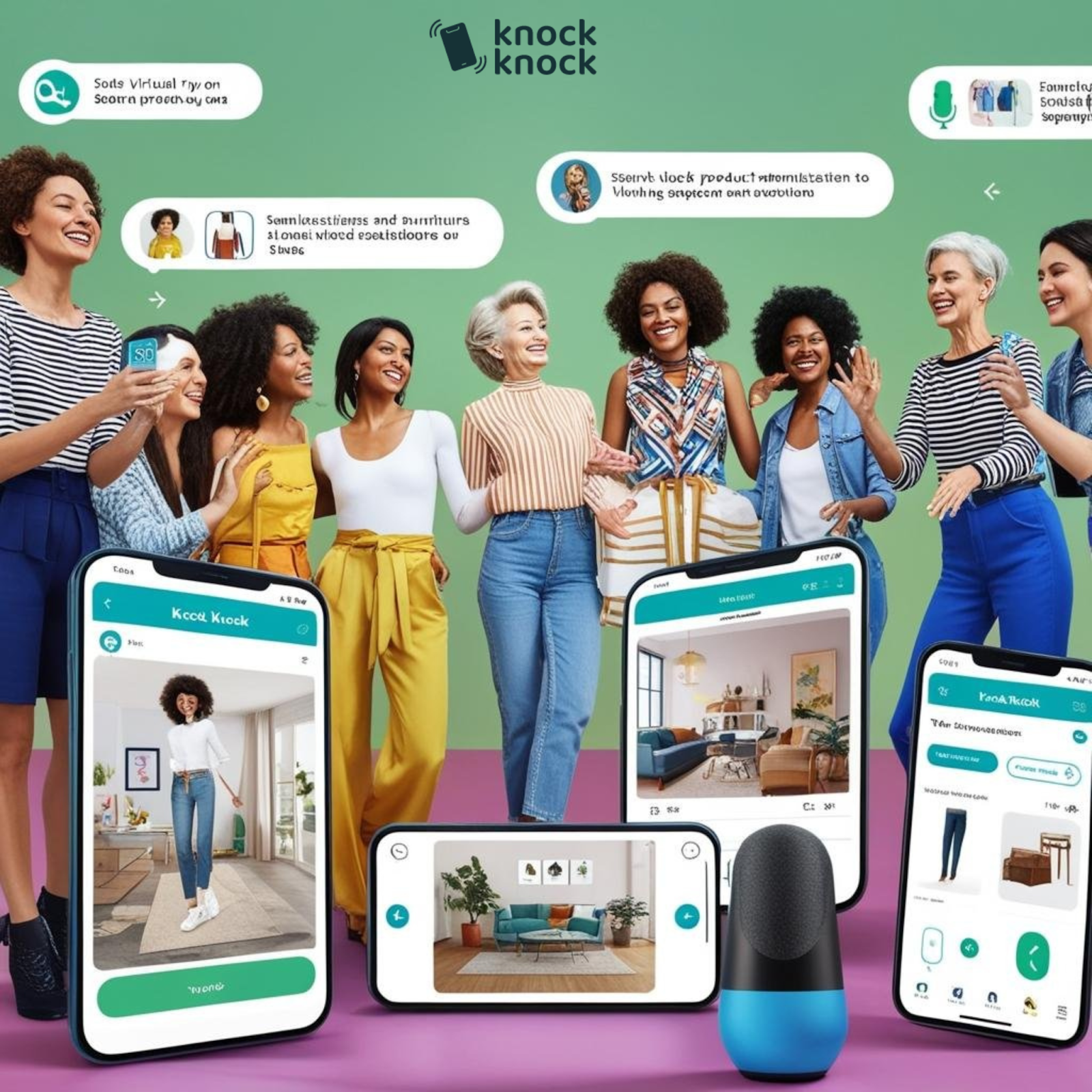
AI shopping assistants are a fast-growing category, and the direction of travel is fairly clear: more visual and conversational search, more proactive (rather than reactive) suggestions, and more attention to values-based shopping, like sustainability and sourcing transparency, as a filter alongside price and style. Knock Knock is building toward all three, along with expanded integrations for the ecommerce platforms our customers already run on.
Try It for Yourself
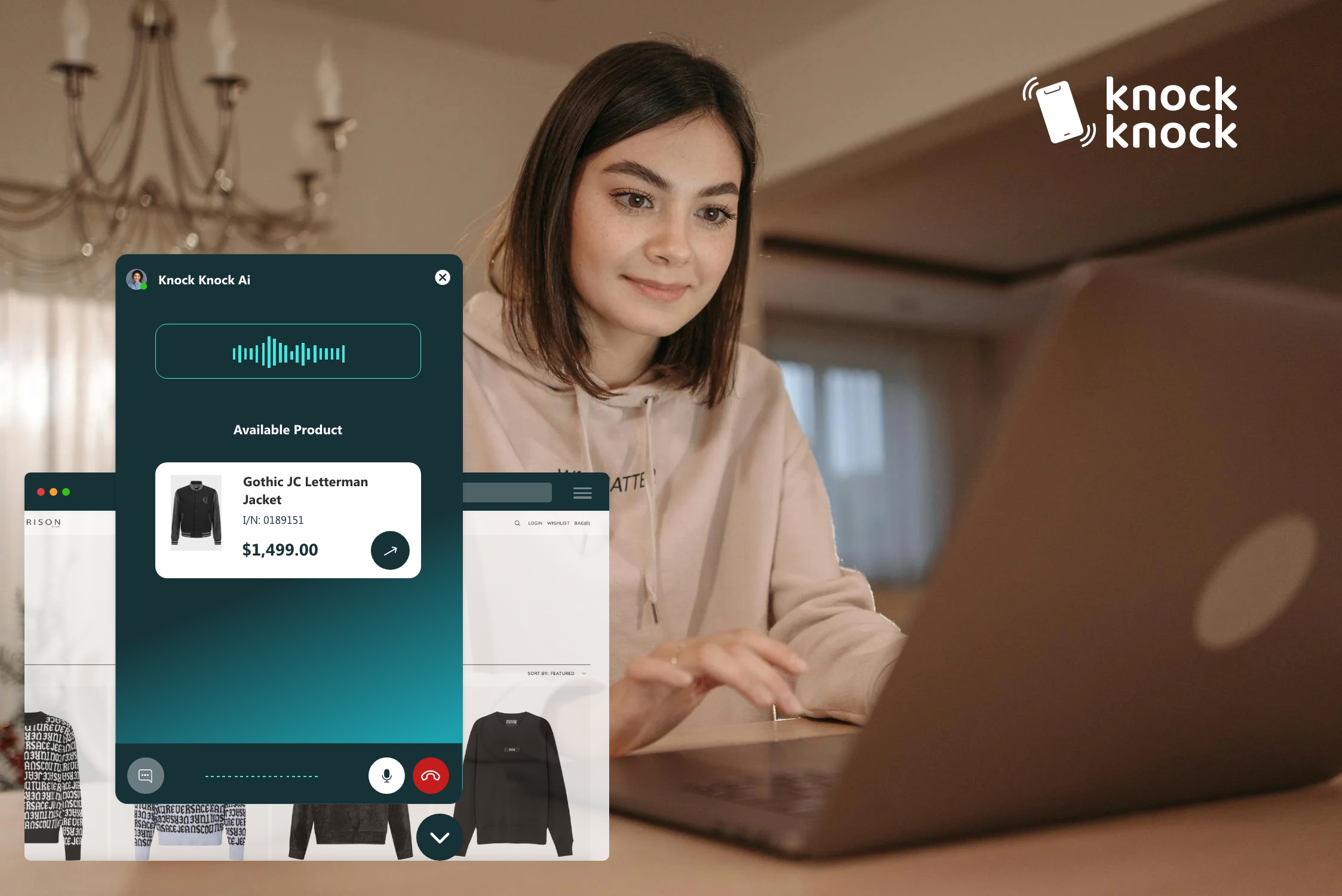
If you want to see how Knock Knock’s assistant handles your specific catalog and customers, book a demo and we’ll walk through it with your actual data, not a generic pitch.

Anna Hyatt
Co-Founder | Knock Knock App
AI × Human Touch = Happier Clients, More Revenue
LinkedIn Profile


