The Hidden Costs of Low Conversion Rates
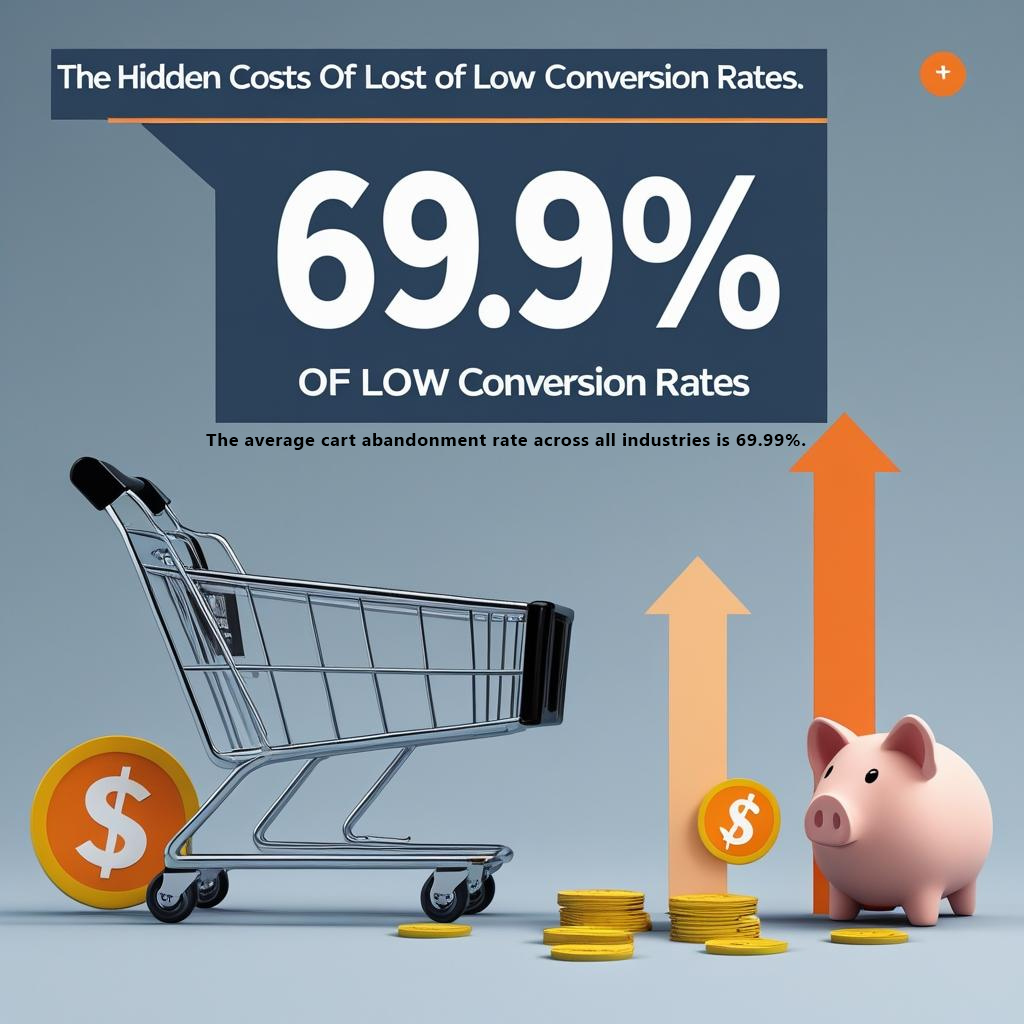
Before we dive into solutions, let’s talk about what low conversion rates can actually cost you. Cart abandonment remains a major challenge in ecommerce. According to research from the Baymard Institute, the average cart abandonment rate across all industries is around 70%.
Let’s do some quick math. If you’re getting 1,000 visitors per month and converting 2%, that’s 20 customers. If you could increase that conversion rate to 4%, that would mean 40 customers from the same amount of traffic.
That doesn’t automatically mean double the revenue or profit, because order values, acquisition costs, returns, and other factors can vary. But it illustrates how improving conversion performance can create more value from traffic you’re already generating.
The ecommerce industry statistics show the enormous scale of online shopping worldwide. For small to medium WooCommerce stores, improving how effectively existing traffic converts can have a meaningful impact on overall performance.
The Top 5 Reasons WooCommerce Visitors Leave Without Buying

1. No Real-Time Support When They Need It Most
Think about your own online shopping behavior. You may have had a question about a product, sizing, compatibility, shipping, and struggled to find an immediate answer. When important questions remain unanswered, some shoppers may leave or continue researching elsewhere.
Traditional contact forms and email support can create delays at moments when customers are considering a purchase. By the time a response arrives, their interest or circumstances may have changed.
2. Overwhelming Product Choices Without Guidance
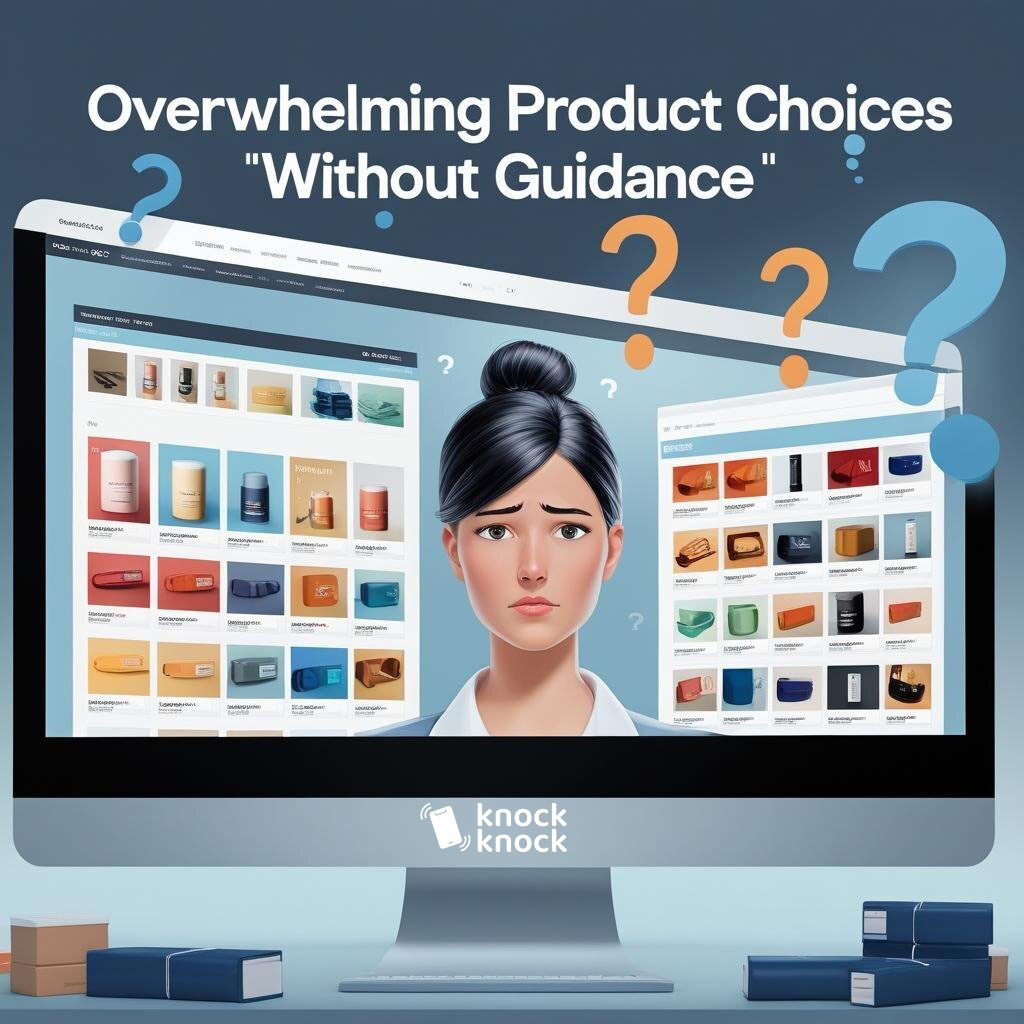
WooCommerce makes it possible to showcase large product catalogs, but too many similar options can sometimes make decisions more difficult.
Without enough guidance toward the right product for their specific needs, some visitors may delay a decision or leave the shopping journey. This can be particularly relevant for technical products, fashion items, or products where individual preferences play an important role.
3. Trust Issues and Security Concerns
Online shoppers often consider trust and credibility before making a purchase. If your WooCommerce store doesn’t provide enough reassurance, some visitors may hesitate to continue.
Common trust barriers can include:
- No visible customer service options
- Lack of genuine social proof such as reviews or testimonials
- Unclear return policies
- Limited information about the business or people behind it
- Concerns about payment security
4. Cart Abandonment Due to Unexpected Costs
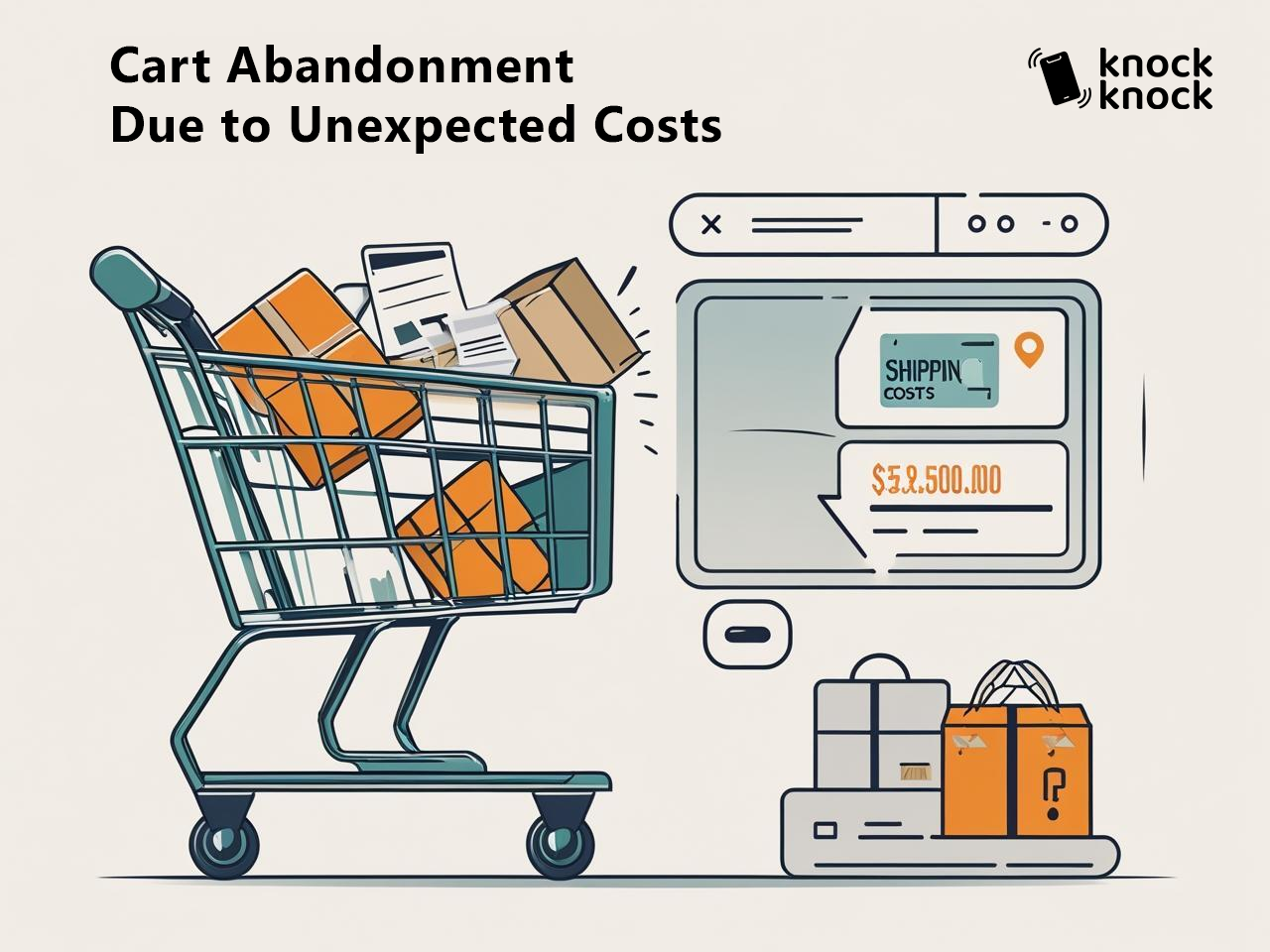
Unexpected costs at checkout can contribute to cart abandonment. Shipping costs, taxes, and handling fees that weren’t clearly communicated upfront can create additional friction. Customers may also abandon carts when they encounter unanswered questions or concerns late in the buying process.
Research from the Baymard Institute identifies checkout complexity and unexpected additional costs among the reasons shoppers abandon purchases.
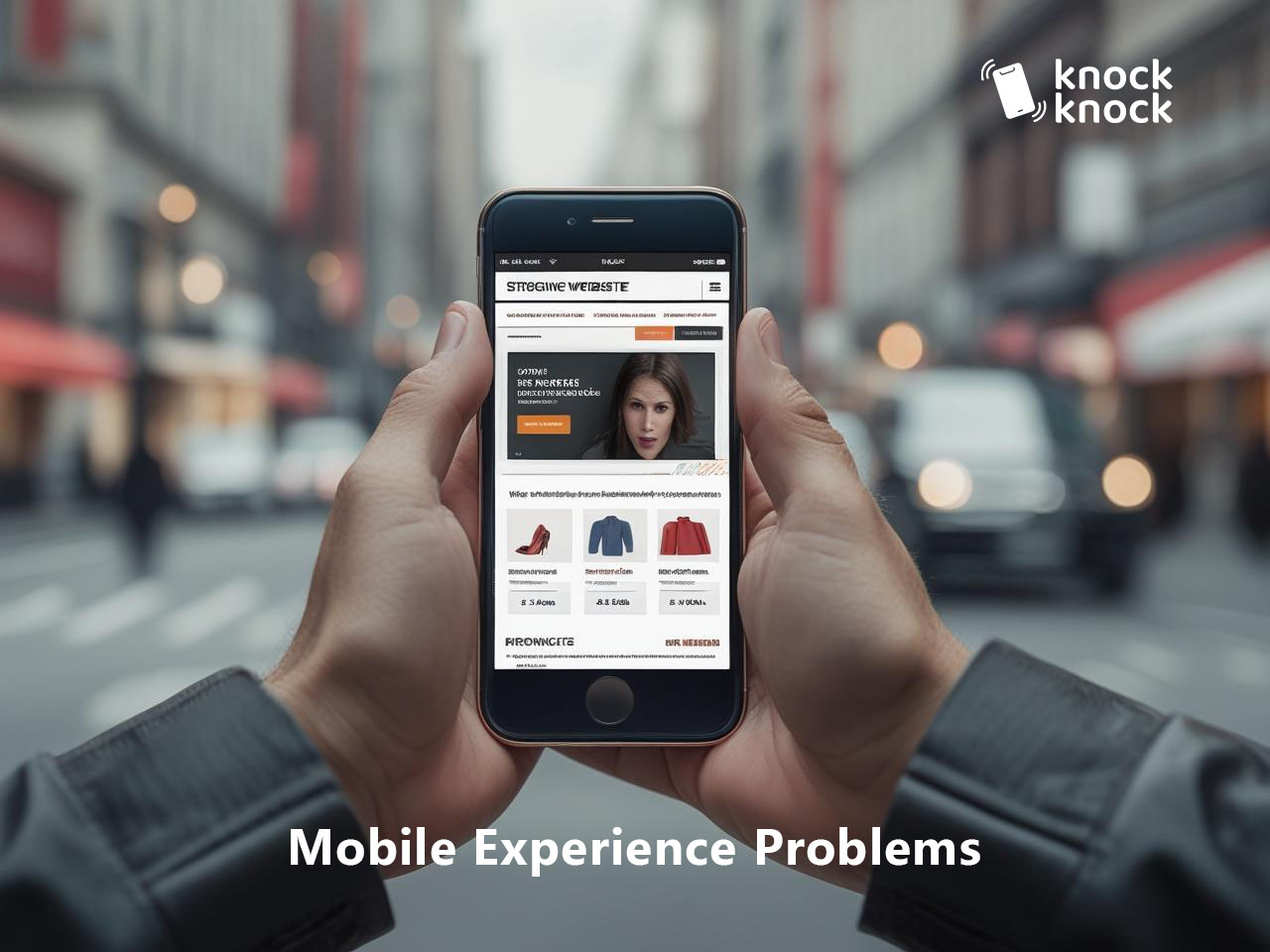
5. Mobile Experience Problems
With mobile devices playing an important role in ecommerce, a poor mobile experience can affect conversion performance. If your WooCommerce store isn’t optimized for mobile users—or if customer support options don’t work well on mobile devices—you may be creating unnecessary friction for potential customers.
Mobile shoppers may also be browsing in situations where convenience and speed are particularly important, making a smooth experience and accessible information valuable.
The Psychology Behind Visitor Behavior
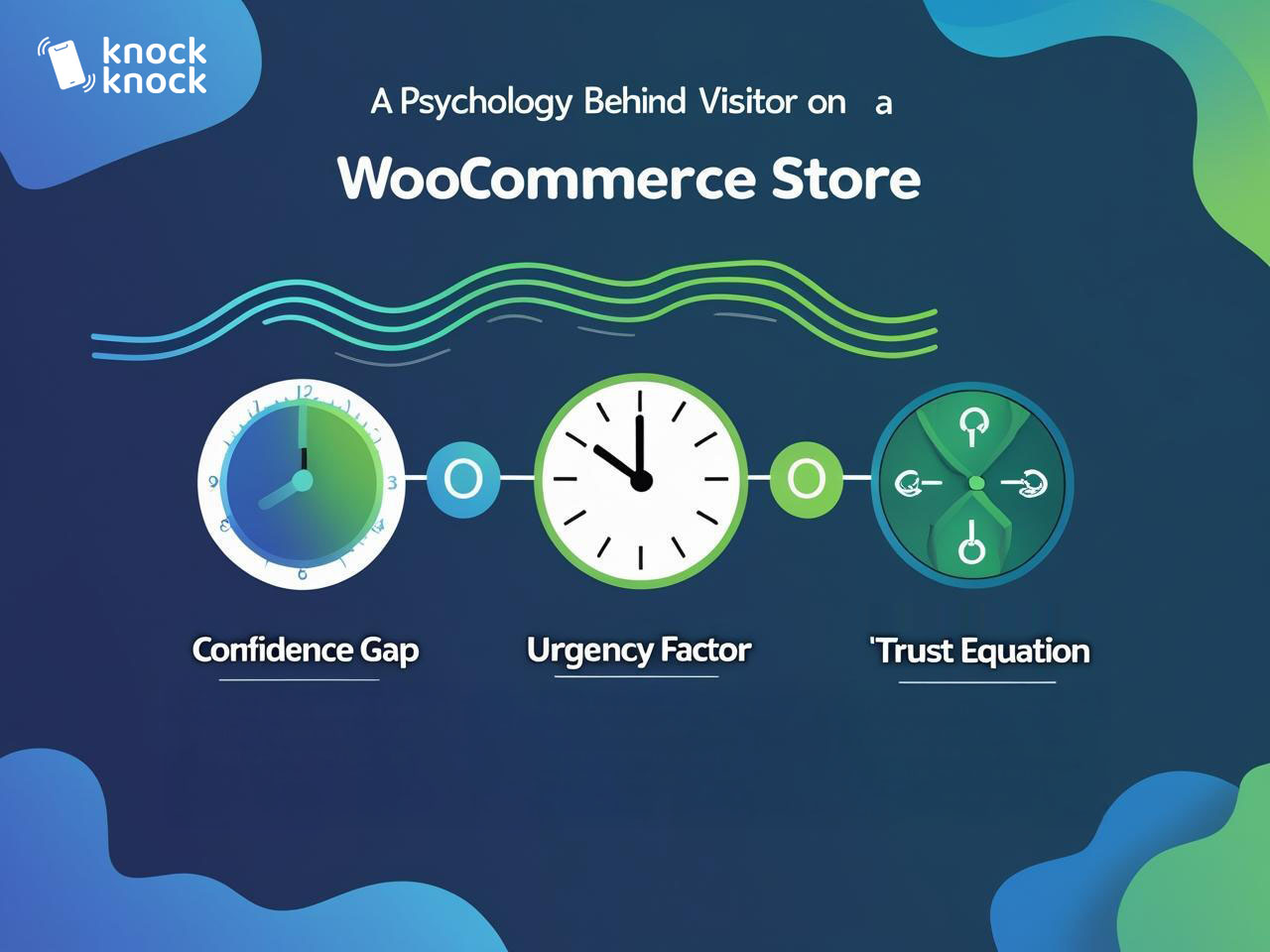
Understanding why people leave your WooCommerce store also means considering how confidence, trust, convenience, and uncertainty can influence purchase decisions.
Here’s what may be happening in your visitors’ minds:
The Confidence Gap: Potential customers may need enough information and reassurance before they feel comfortable making a purchase. When important questions remain unanswered, that confidence can decline.
The Urgency Factor: Online shoppers can browse with interest without being ready to purchase immediately. If they encounter friction or uncertainty, they may postpone the decision or leave the site. Timely engagement can help answer questions while interest is still present.
The Trust Factor: Credibility, reliability, transparency, and helpful communication can all contribute to trust. Ecommerce sites can feel impersonal, so giving customers access to helpful human support when needed can add another layer to the experience.
What Successful WooCommerce Stores Do Differently
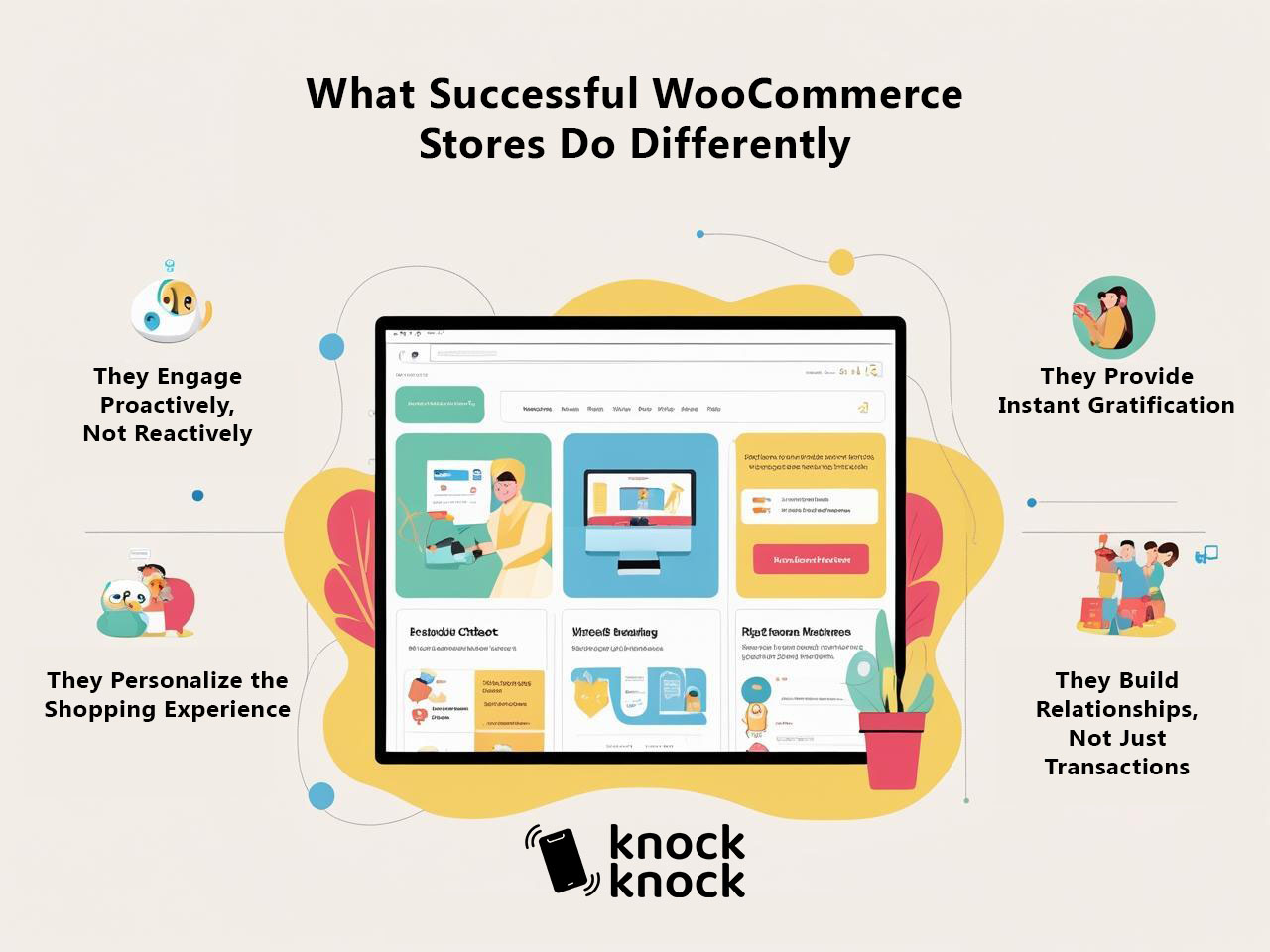
WooCommerce stores looking to improve conversion performance can focus on several areas:
They Engage Proactively, Not Just Reactively
Instead of relying entirely on customers to initiate contact, stores can identify high-intent visitors and engage them proactively. This might mean engaging someone who’s been browsing relevant pages for several minutes or offering help to someone who’s added items to their cart.
They Provide Timely Support
Customers often value quick access to useful information. WooCommerce stores can provide responses to common questions through AI-powered chat, comprehensive FAQ sections, self-service resources, or readily available human support.
They Personalize the Shopping Experience
Generic experiences don’t always address every shopper’s needs. Stores can use available visitor behavior and customer data to make product recommendations, messaging, and support interactions more relevant, subject to applicable privacy and consent requirements.
They Build Relationships, Not Just Transactions
Converting visitors isn’t only about making a single sale. Positive customer experiences can contribute to repeat purchases, loyalty, and referrals over time.
The Role of Human Connection in Ecommerce
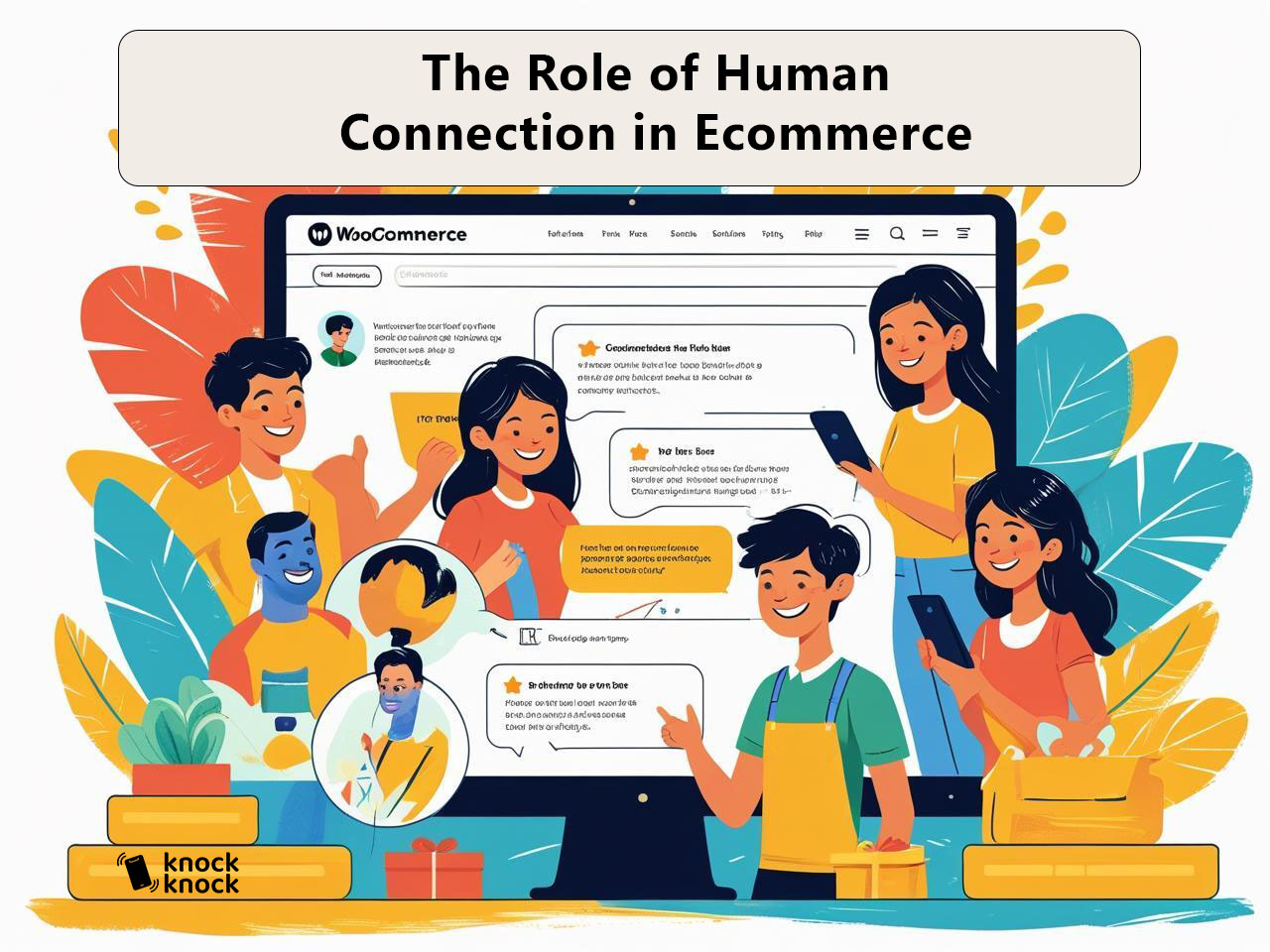
Here’s something WooCommerce store owners may want to consider: even as automation and AI handle more customer interactions, human support can still be valuable when shoppers have complex questions, need reassurance, or want personalized assistance.
Consider the difference between shopping at a big box store versus a local boutique. In the boutique, knowledgeable staff can answer questions, make personalized recommendations, and help customers understand their options. Online stores can apply a similar principle by making human assistance available when it adds value.
The challenge for WooCommerce store owners is providing this human touch efficiently. You can’t personally chat with every visitor, but you can create systems that identify stronger intent signals and make human support available when appropriate.
Technology Solutions That Can Help
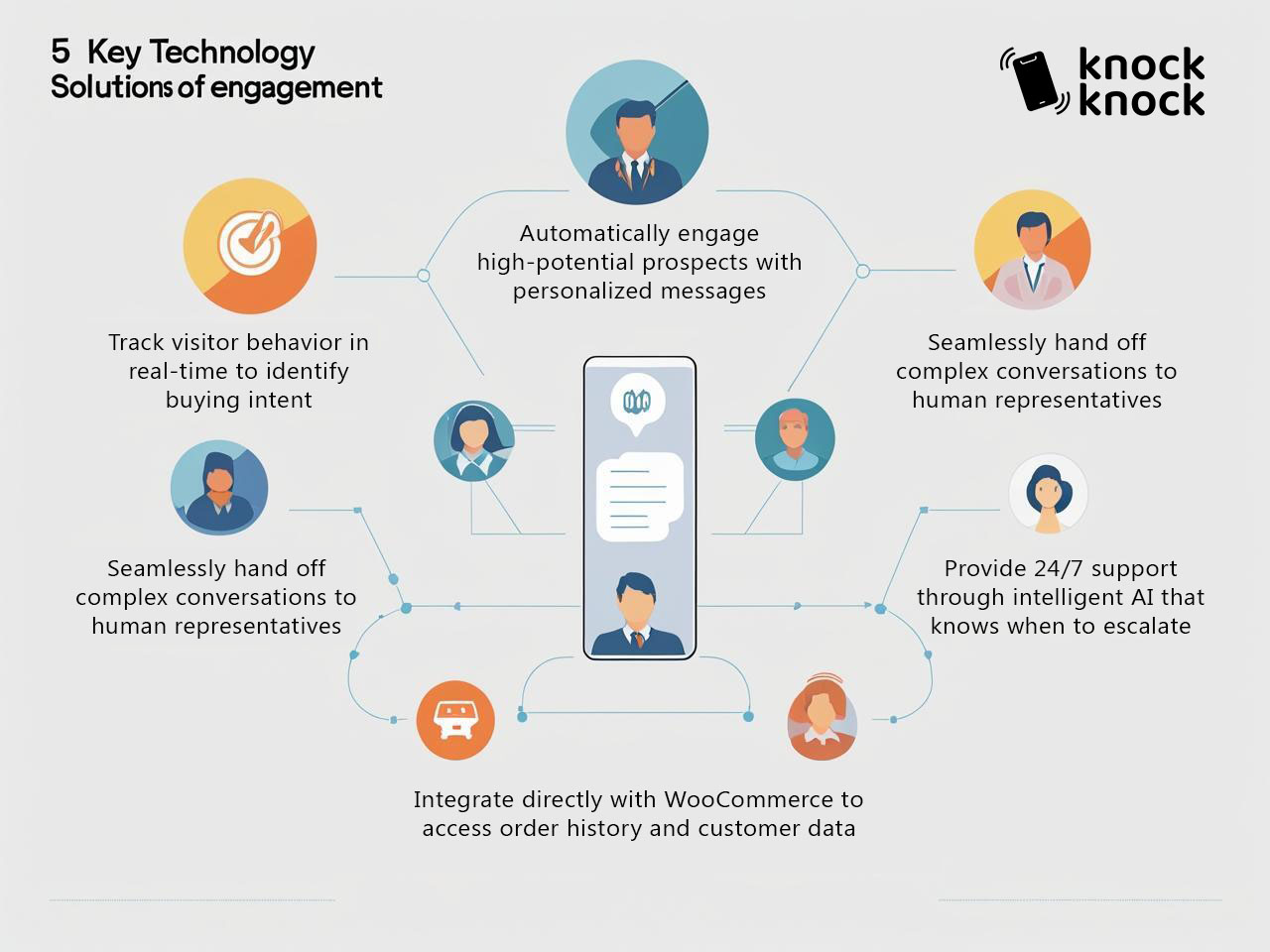
Modern customer engagement platforms can help address several of these challenges by providing capabilities such as:
- Track visitor behavior in real-time to identify buying intent
- Automatically engage relevant visitors with contextual messages
- Seamlessly hand off complex conversations to human representatives
- Provide 24/7 support through intelligent AI that knows when to escalate
- Connect with supported ecommerce, CRM, and customer-data workflows where integrations are available
The goal is to use technology in a way that supports rather than unnecessarily replaces human interaction. Combining AI-driven efficiency with access to human assistance can help create an experience that is both responsive and personal.
Measuring What Matters
If you want to improve your WooCommerce conversion rates, it helps to track more than the overall conversion rate. Depending on your business, useful metrics can include:
- Time to engagement: How quickly do you respond to visitor questions?
- Conversation quality: Are your interactions helping visitors move through the buying process?
- Cart recovery rate: What percentage of abandoned carts do you successfully recover?
- Customer lifetime value: How much value does a customer generate over the course of the relationship?
- Mobile conversion rates: How do mobile visitors behave compared with desktop users?
The Path Forward
Improving your WooCommerce conversion rate isn’t about implementing one magic solution. It involves looking at the different reasons visitors may leave without buying and testing improvements across the customer journey. This can mean combining technology, human support, UX improvements, and strategic thinking to reduce friction and help customers make informed decisions.
Stores that pay attention to customer experience and timely engagement can create more opportunities to answer questions, reduce uncertainty, and support visitors throughout the buying journey.
Ready to learn specific strategies for turning your WooCommerce browsers into buyers? In our next article, we’ll explore practical conversion optimization techniques you can test and measure against your existing performance.

Anna Hyatt
Co-Founder | Knock Knock App
AI × Human Touch = Happier Clients, More Revenue
LinkedIn Profile


